
Cargo theft losses in the United States and Canada reached an estimated $725 million in 2025, a 60 percent jump over the prior year, according to Verisk CargoNet. Organized crews are no longer chasing volume. They are chasing the highest-value loads, and the trailer sitting unmonitored in a yard over a weekend is the easiest target on the board.
At the same time, the connected-trailer category is expanding fast. The global trailer telematics market was valued at $3.70 billion in 2025 and is projected to reach $8.69 billion by 2035, per Precedence Research. Fleets are not buying trackers to put dots on a map anymore. They are buying visibility, theft recovery, utilization data, and cold-chain proof in one system.
The financial case is fast. Many fleets recover the full cost of a trailer tracking investment within the first four to six months, often through reclaimed detention fees alone, before a single recovered trailer is counted.
This guide breaks down the seven trailer tracking solutions worth shortlisting in 2026, what each one does best, and how to match the right platform to the way your fleet actually runs.
What Is Trailer Tracking and How Does It Work?
Trailer tracking is the practice of attaching a connected device to a trailer so you can see its location, movement, and condition in real time. Modern trailer tracking devices combine several technologies depending on where the trailer spends its life:
- GPS and cellular (4G/5G): The backbone of over-the-road trailer GPS tracking. It delivers global outdoor positioning and pushes live location to a fleet dashboard.
- Bluetooth Low Energy (BLE): Short-range, low-power tags ideal for yard management, indoor visibility, and tracking returnable assets like dollies, racks, and reusable containers that ride with the trailer.
- Solar and long-life battery power: Trailers rarely have constant power, so the best trailer trackers run on solar or multi-year batteries so they keep reporting whether the trailer is hooked to a tractor or dropped in a lot.
- Sensors: Door, temperature, cargo load, and tire-pressure sensors turn a location dot into operational intelligence for cold chain, security, and maintenance.
The strongest systems in 2026 layer artificial intelligence on top of that raw data, flagging an unexpected door opening, a trailer that left a geofence at 2 a.m., or a unit that has been idle for three weeks and is quietly draining detention dollars.
Must-Have Features to Look for in a Trailer Tracking Device
Before you compare brands, get clear on the features that separate a reliable industrial tracker from a consumer toy. These are the specifications that matter on a working trailer in 2026:
- Multi-constellation GNSS precision: The best trailer trackers pull from GPS, GLONASS, and Galileo satellites at once for tighter, more reliable positioning in dense urban corridors and under cover.
- Long battery life with solar and event-based reporting: Look for multi-year battery life backed by solar charging. Event-based tracking, which wakes the device on movement instead of pinging on a fixed timer, is what stretches a battery from months into years on a dropped trailer.
- Rugged, weatherproof build: A trailer tracker lives outdoors in mud, road salt, and temperature swings. Demand an IP67 rating or better and a wide operating range, roughly minus 40 to plus 85 degrees Celsius, so the unit survives a Minnesota January and an Arizona July.
- Real-time alerts and geofencing: Instant notifications for unauthorized movement, geofence breaches, and after-hours activity turn the tracker from a record-keeper into a theft-prevention tool.
- Sensor integration: Door, temperature, cargo-load, and tire-pressure sensors extend the device beyond location into cold-chain proof, security, and maintenance planning.
- A usable software platform with open API access: The hardware is only half the system. A clean cloud dashboard plus open API and integrations with your transportation management system (TMS) or ERP is what turns trailer data into decisions across the business.
LTE-M, NB-IoT, and 5G: The Connectivity Powering 2026 Fleet Telematics
The connectivity protocol behind a tracker decides how long its battery lasts and whether it keeps reporting in coverage gaps. This is the spec IT buyers and OEMs vet first when future-proofing a fleet telematics ecosystem:
- LTE-M and NB-IoT: These low-power, wide-area protocols are purpose-built for asset tracking. They sip power, which is what lets a solar or battery tracker run for years, and they hold connections in basements, deep yards, and rural lanes where standard cellular drops out.
- 5G: For high-frequency, data-rich tracking and video telematics, 5G delivers the bandwidth and low latency that real-time fleet operations increasingly expect.
- Satellite backup: Dual-mode devices fall back to satellite when cellular disappears entirely, which keeps trailers visible across remote and cross-border routes.
The strongest 2026 platforms blend these protocols so a single device stays connected and power-efficient whether the trailer is on an interstate, parked in a steel building, or sitting through a long unpowered drop cycle.
Comparison of the Top 7 Trailer Tracking Solutions
Here is a side-by-side look at how the seven solutions compare on the factors fleet and logistics managers ask about most. GPX Intelligence leads the list because it pairs over-the-road GPS with gateway-free BLE asset visibility in a single platform.
| Solution | Best For | Tracking Technology | Connectivity Protocol | Power Source | Standout Strength |
|---|---|---|---|---|---|
| GPX Intelligence | Mixed fleets plus returnable assets | GPS, cellular, and gateway-free BLE | LTE-M, 5G, and BLE | Solar, hardwired, and 5-year battery | Scout AI plus indoor and yard visibility |
| Samsara | Large enterprise fleets | GPS and cellular | 4G/5G LTE | Solar and wired | Unified video and telematics platform |
| Spireon (Solera) FleetLocate | Trailer-heavy carriers at scale | GPS and cellular | 4G LTE | Solar and battery | Deep trailer-only specialization |
| ORBCOMM | Cold chain and remote routes | Satellite and cellular | Satellite plus LTE | Solar and battery | Reefer monitoring and global coverage |
| CalAmp | OEM and integrator builds | GPS and cellular | 4G LTE | Wired and battery | Flexible hardware and recovery |
| Verizon Connect | Single-vendor fleet ecosystems | GPS and cellular | 4G/5G LTE | Solar and wired | Combined tractor and trailer view |
| Linxup | Small to mid-size fleets | GPS and cellular | 4G LTE | Battery and wired | Affordable theft prevention |
1. GPX Intelligence: Best for Mixed Fleets and Returnable Assets
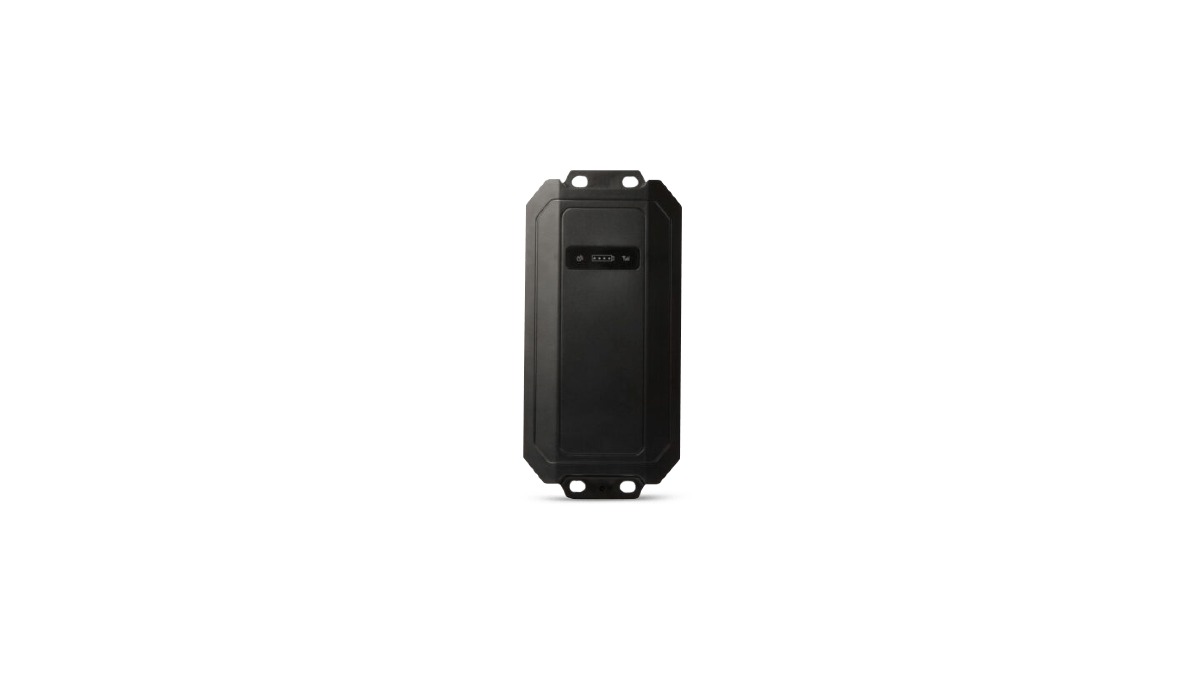
GPX Intelligence earns the top spot because it solves the problem most trailer tracking platforms ignore: the gap between outdoor GPS and what happens to your assets once they roll into a yard, a dock, or a building. GPX eliminates that visibility black hole by instantly bridging over-the-road 5G tracking with gateway-free BLE asset tagging through the GPX AssetTag, so a single platform follows the trailer down the highway and the returnable racks, dollies, and containers riding inside it.
The Scout AI layer is what separates GPX from a basic location feed. Instead of forcing a manager to watch a dashboard, Scout surfaces the anomalies that matter, such as a trailer breaking a geofence after hours, a unit sitting idle long enough to rack up detention fees, or an asset that has drifted out of its expected rotation.
- Best for: Fleets that run trailers plus returnable transport assets and need indoor, yard, and over-the-road visibility in one system.
- Gateway-free BLE means no expensive reader infrastructure to install at every site.
- The GPX AssetTag delivers a 4-year battery life with a replaceable cell, so tags stay in service without a forklift of spare hardware.
- Scout AI converts raw location data into theft alerts, utilization insights, and exception reporting.
- Flexible power options including solar, hardwired, and long-life battery cover powered and unpowered trailers alike.
2. Samsara: Best for Large Enterprise Fleets
Samsara is a strong fit for large operations that want trailer tracking inside a broader connected-operations platform. Its solar-powered trailer gateways tie into the same dashboard that handles dash cams, driver safety scoring, and vehicle diagnostics, which appeals to fleets standardizing on one vendor across the whole yard.
- Best for: Enterprise fleets that want video, safety, and trailer telematics under one roof.
- Mature API ecosystem and integrations for transportation management systems.
- Strong reporting and analytics for utilization and detention.
- Premium pricing means it lands hardest with larger budgets.
3. Spireon (Solera) FleetLocate: Best for Trailer-Heavy Carriers at Scale
Now part of Solera, Spireon’s FleetLocate has one of the largest trailer-tracking installed bases in North America. The platform was built around trailers first, so its geofencing, dwell-time reporting, and recovery workflows reflect years of focus on dropped and unpowered assets rather than tractors.
- Best for: Carriers and lessors managing thousands of trailers who want trailer-specific depth.
- Solar and battery options designed for long unpowered drop cycles.
- Strong dwell and utilization analytics for high-volume operations.
- Best value emerges at fleet scale rather than for a handful of trailers.
4. ORBCOMM: Best for Cold Chain and Remote Routes
ORBCOMM is the go-to when trailers travel beyond reliable cellular coverage or carry temperature-sensitive freight. Its dual-mode satellite and cellular connectivity keeps reporting in dead zones, and its reefer monitoring integrates directly with major refrigeration unit brands for temperature compliance.
- Best for: Refrigerated fleets, cross-border lanes, and routes through low-coverage regions.
- Satellite fallback maintains visibility where cellular drops out.
- Deep reefer integration for cold-chain documentation and alerts.
- Hardware and service can carry a higher cost for purely domestic, urban fleets that do not need satellite.
5. CalAmp: Best for OEM and Integrator Builds
CalAmp is a hardware-first telematics provider favored by integrators, OEMs, and fleets that want to build a custom solution on flexible devices. Its trailer trackers and stolen-vehicle recovery network make it a frequent choice for resellers and platforms that handle their own software layer.
- Best for: Integrators and OEMs building branded or custom trailer tracking products.
- Broad device catalog and developer-friendly platform.
- Established theft-recovery network.
- Less turnkey for a fleet manager who wants a finished dashboard out of the box.
6. Verizon Connect: Best for Single-Vendor Fleet Ecosystems
Verizon Connect appeals to fleets that already run its tractor telematics and want trailer tracking from the same provider. The combined tractor-and-trailer view simplifies vendor management and gives dispatchers one screen for power units and the trailers attached to them.
- Best for: Operations consolidating fleet management with a single major carrier-grade vendor.
- Unified tractor and trailer reporting on one platform.
- Backed by a large national network and support footprint.
- Trailer-specific features are part of a wider suite rather than the core focus.
7. Linxup: Best for Small to Mid-Size Fleets
Linxup rounds out the list as the budget-conscious pick. For owner-operators and small fleets focused on stopping theft and keeping tabs on a handful of trailers, Linxup delivers straightforward GPS tracking and alerts without enterprise-level complexity or contracts.
- Best for: Small fleets and owner-operators prioritizing affordable theft prevention.
- Simple setup and transparent monthly pricing.
- Solid geofence and movement alerts for security.
- Lighter on advanced utilization analytics and indoor or yard visibility.
How AI-Driven Trailer Tracking Solutions Prevent Strategic Cargo Theft
Strategic cargo theft is the defining security problem of 2026. Organized crews now use phantom freight fraud, identity theft, and fictitious pickups to redirect entire loads, and trucks and trailers are involved in over 85 percent of cargo theft in North America, per the Transported Asset Protection Association. Basic location dots cannot keep pace with that.
AI-driven trailer tracking changes the math. Instead of waiting for someone to notice a missing trailer, machine learning watches the pattern and flags the anomaly while the theft is still in progress:
- Behavioral anomaly detection: The system learns each trailer’s normal rhythm and raises an alert when a unit breaks a geofence at 2 a.m. or moves on a day it should be parked.
- Instant geofence and motion alerts: Unauthorized movement triggers a notification in seconds, giving fleets and law enforcement the window to recover the trailer before it disappears.
- Dual-tracker resilience: A covert backup device keeps reporting even if a thief locates and disables the primary unit, which is the single most effective recovery tactic in the field.
Automating Detention Billing: How Dwell-Time Data Recovers Lost Revenue
Unbilled detention is one of the largest sources of quiet revenue loss in trucking. Many fleets run trailer utilization near 60 percent, meaning units sit idle roughly four out of every ten operating hours, accumulating detention time that never makes it onto an invoice.
Trailer telematics closes that gap by turning precise location into billable evidence. With accurate geofencing tied to a transportation management system (TMS) through an open API, the platform timestamps every arrival and departure and generates automated dwell-time reports:
- Automated detention billing converts dwell data into invoices without manual logs or disputes.
- Utilization analytics expose idle assets so you rebalance the fleet instead of buying trailers you do not need.
- Lane-level dwell reporting gives you the leverage to renegotiate the customers and sites that consistently cost you time.
Cold Chain Visibility: Smart Trailer Sensors to Eliminate Spoilage Claims
For refrigerated freight, a temperature excursion is a rejected load and a spoilage claim. Smart trailer sensors deliver the continuous cold chain visibility that protects perishable cargo and satisfies FSMA and FDA documentation requirements:
- Continuous temperature monitoring: Sensors log reefer temperature in real time and alert the moment a unit drifts out of range, while there is still time to act.
- Reefer API integration: Deep integration with refrigeration unit brands creates a tamper-evident audit trail for compliance and insurance.
- Door and cargo sensors: A logged door event at the wrong location flags both a security risk and a potential break in the cold chain.
Gateway-Free BLE: Solving Yard Management Blind Spots Without Infrastructure
GPS loses trailers and returnable assets the moment they roll into a building or a crowded lot, which is exactly where most fleets lose track of inventory. Traditional Bluetooth Low Energy systems fix this only by installing expensive yard readers at every gate and dock.
Gateway-free BLE removes that cost entirely. Instead of fixed readers, the tags report through the truck’s own cellular connection or a mesh of nearby devices, which closes yard management blind spots without an infrastructure project:
- No yard reader hardware to buy, install, or maintain, which saves thousands per site.
- Indoor and yard-level visibility for trailers and the returnable racks, dollies, and containers inside them.
- A single platform that follows assets from the open road into the building, with no handoff gap.
Which Industries Benefit Most from Trailer Tracking?
Trailer tracking pays off anywhere assets sit idle, travel unattended, or carry value worth protecting. The strongest returns show up in a few specific sectors:
- Logistics and freight haulers: Carriers use trailer tracking to balance utilization across the fleet, document detention, and recover stolen units fast. For operations with drop-and-hook cycles, knowing which trailer is where saves hours of yard hunting every week.
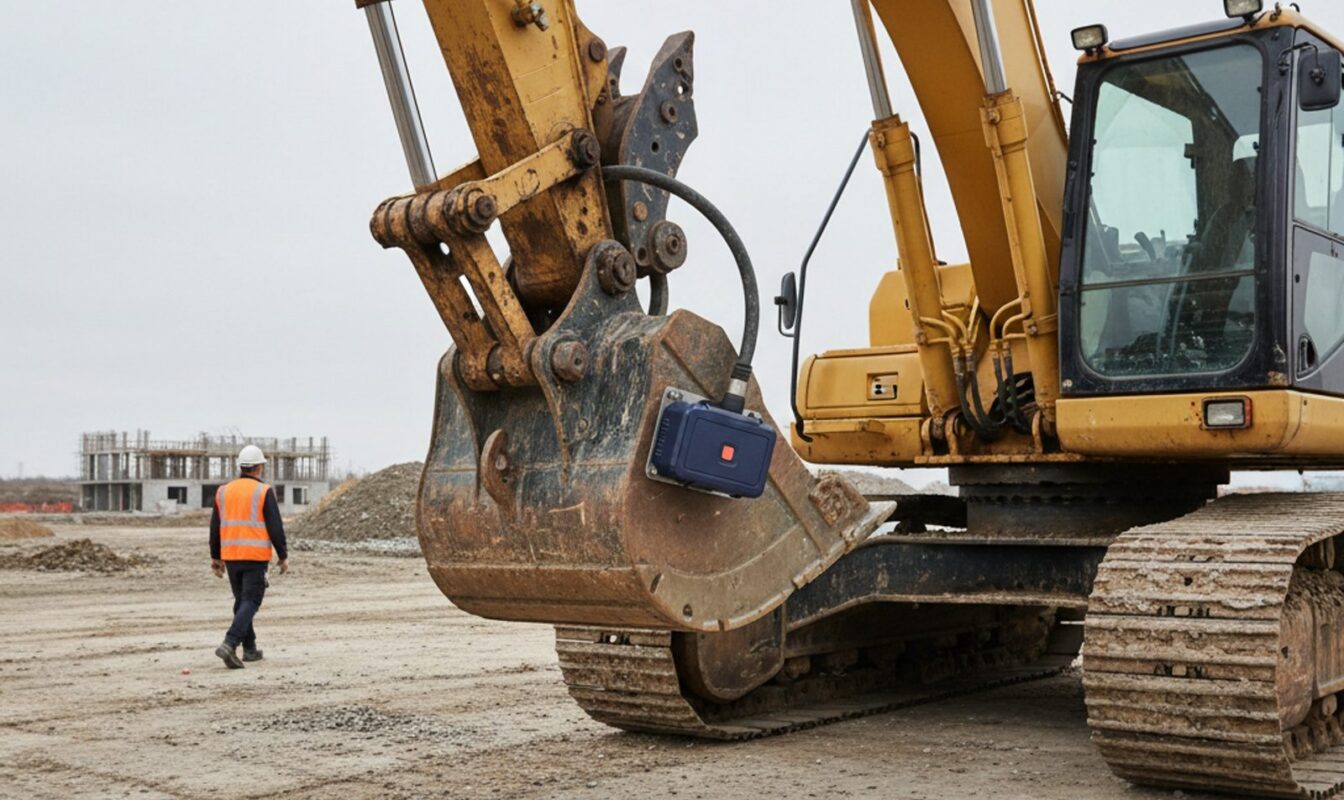
- Construction and heavy equipment transport: Job-site trailers, lowboys, and equipment haulers are prime theft targets and move between remote sites. Tracking protects high-value gear and confirms equipment reached the right location.
- Retail and food delivery: Cold-chain and last-mile operations rely on temperature sensors and live location to protect perishable freight and hit delivery windows.
- Rental and leasing companies: Trailer lessors track where every unit is, confirm it is in use, and recover assets when a contract ends or a payment lapses. Tracking turns a fleet of dropped trailers into an auditable, billable inventory.
Where to Install a GPS Tracker on a Trailer
Placement decides how long the device lasts, how well it holds signal, and how hard it is for a thief to find and remove. The right spot balances concealment, signal strength, and power access:
- Inside the nose box or near the power supply: For hardwired and powered trailers, mounting near the front power connection gives the tracker constant power and a discreet home out of plain sight.
- Under the trailer frame or chassis: A magnetic or bolted unit tucked into the undercarriage stays hidden from anyone walking past, though it should sit where road debris and water spray are least likely to batter it.
- High and hidden for signal: GPS and cellular antennas perform best with a clear view of the sky, so avoid burying the device under heavy metal that blocks signal. A spot near the roofline or upper frame often balances concealment with reception.
- A second hidden backup unit: Many fleets add a covert secondary tracker so that if a thief finds and disables the obvious one, a backup keeps reporting. This is one of the most effective theft-recovery tactics in use today.
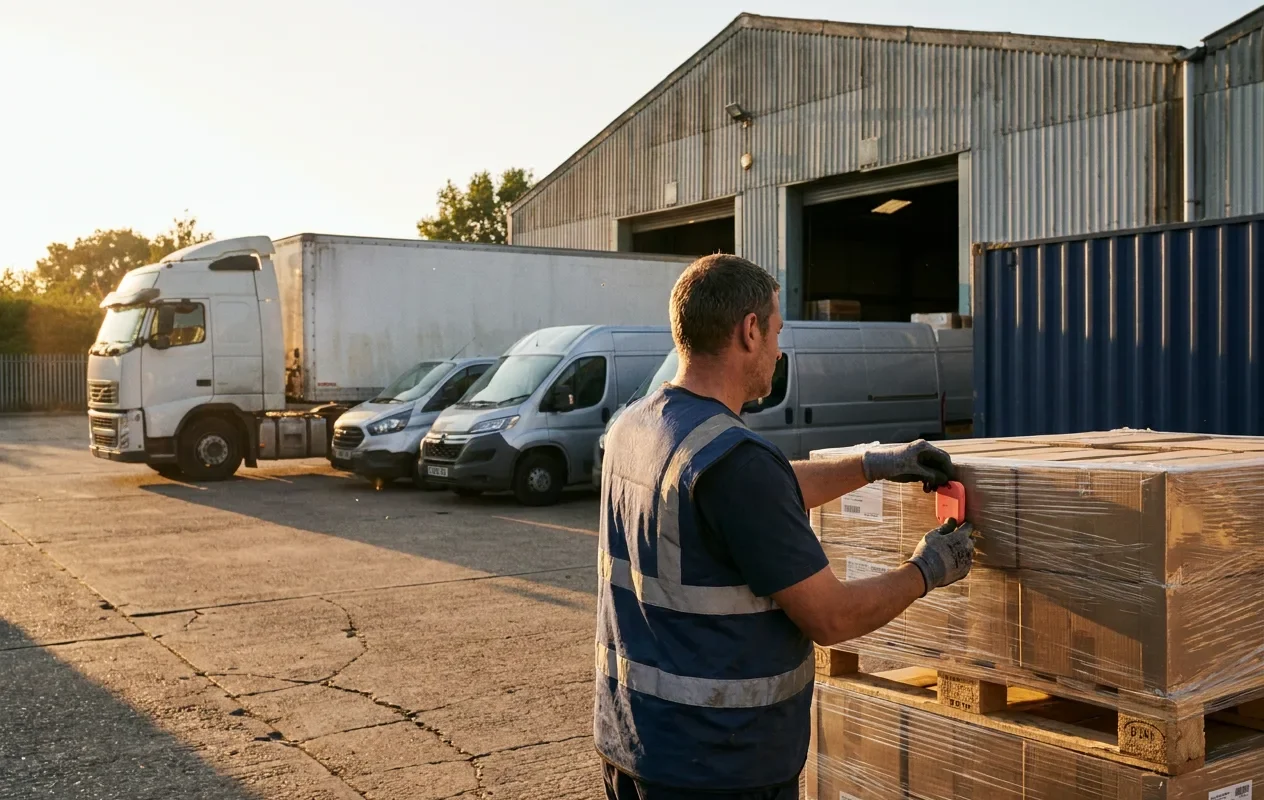
For BLE asset tags tracking returnable items inside the trailer, placement is simpler. Tags attach directly to the racks, dollies, or containers they protect, and a gateway-free system like the GPX AssetTag reports them without extra readers installed at each site.
Where Your Trailers Spend Time Decides the Platform
The right trailer tracking solution is the one that matches how your assets actually move, not the one with the longest feature list. Work through these questions before you sign anything:
- Where do your trailers spend their time? If they live on the highway, prioritize GPS and cellular range. If they cycle through yards, docks, and buildings, prioritize a platform that adds BLE indoor and yard visibility, like GPX Intelligence.
- Are your trailers powered or dropped? Unpowered and frequently dropped trailers need solar or multi-year battery devices that keep reporting on their own.
- Do you carry temperature-sensitive freight? Cold chain means reefer monitoring and temperature sensors are non-negotiable.
- What is your fleet size? Owner-operators and small fleets get the best fit from affordable, simple platforms. Large and trailer-heavy fleets benefit from deep utilization analytics and AI-driven exception reporting.
- Do you also move returnable assets? If racks, dollies, and reusable containers ride inside your trailers, choose a system that tracks both the trailer and what is in it, so you stop losing the small assets that quietly add up.
For most fleets running a mix of powered and dropped trailers, plus the returnable assets that travel with them, GPX Intelligence offers the widest coverage in one platform: over-the-road GPS, gateway-free BLE for yards and buildings, and Scout AI to turn all of it into action. See how GPX Intelligence can track your trailers and assets end to end and build a system that fits the way your fleet really runs.
Frequently Asked Questions (FAQs)
How do AI-powered trailer trackers predict and prevent cargo theft?
AI-powered trailer trackers learn each trailer’s normal pattern of movement and flag anomalies in real time, such as a unit leaving a geofence at 2 a.m. or moving on a day it should be parked. That early signal alerts the fleet and law enforcement while the theft is still in progress, turning a likely total loss into a fast recovery. Many fleets pair this with a covert backup device so tracking continues even if a thief disables the primary unit.
What is the best GPS tracker for refrigerated trailers (reefers) in 2026?
For reefers, the best trackers combine dual-mode satellite and cellular connectivity with deep reefer API integration for continuous temperature monitoring, which is where ORBCOMM is especially strong. Fleets that also need to track returnable assets inside the trailer, or want indoor and yard visibility alongside cold chain proof, are better served by a combined platform like GPX Intelligence. The non-negotiable features are real-time temperature alerts and a tamper-evident audit trail for FSMA compliance.
How does gateway-free BLE technology reduce yard management costs?
Traditional Bluetooth Low Energy tracking requires expensive fixed readers installed at every gate and dock, which can cost thousands per site. Gateway-free BLE, like the GPX AssetTag, reports through the truck’s own cellular connection or a mesh of nearby devices instead, so you get indoor and yard-level visibility without the reader infrastructure or the install project that comes with it.
Can trailer telematics automatically calculate and bill detention times?
Yes. By combining precise geofencing with an open API connection to your transportation management system (TMS), trailer telematics timestamps every arrival and departure and generates automated dwell-time reports. That converts detention from a manual, disputed line item into billable evidence, recovering revenue that fleets routinely leave on the table.