
Supply chain leaders entered 2026 with a problem they cannot ignore: costs are climbing faster than revenue. Freight rates remain volatile, cargo theft is at record highs, tariff exposure has reshaped sourcing decisions, and the demurrage and detention fees most CFOs once treated as a rounding error now show up in quarterly earnings calls. Industry research consistently shows that supply chain activities influence between 50 and 70 percent of total operating costs for product-based businesses — which is why cost transformation has moved from the operations dashboard to the boardroom agenda. Reducing supply chain costs is no longer a finance exercise. It is a survival strategy.
The good news is that the same technologies driving complexity, IoT sensors, AI-powered analytics, real-time GPS tracking, digital twins, and predictive logistics platforms, are also the most effective tools for cutting waste, recovering hidden margin, and building a more resilient operation. This guide breaks down the proven strategies, KPIs, and sequencing logic that supply chain operators across construction, fleet, healthcare, automotive, and in-transit logistics are using right now to drive measurable savings.
TL;DR, Key Takeaways
- Supply chains influence 50-70% of total operating costs, elevating cost reduction to a boardroom-level priority in 2026.
- Integrating IoT asset tracking (BLE + Cellular GPS), AI route optimization, and predictive demand forecasting can reduce enterprise logistics costs by 15-30%.
- Covert GPS tracking mitigates strategic cargo theft and fictitious pickup losses by up to 80%.
- AI routing and zone skipping cut transportation and freight spend by 8-15%.
- Predictive forecasting reduces inventory carrying cost by 20-30% and frees frozen working capital trapped by the bullwhip effect.
- SKU rationalization, network redesign, and reverse logistics automation deliver structural margin gains over 3-18 months.
- A single accountable leader, a tight KPI scorecard, and a Prepare → Design → Execute sequencing rhythm separate successful programs from stalled ones.
What Are the Primary Drivers of Rising Supply Chain and Logistics Costs in 2026?
Before you can cut costs, you have to understand what is pushing them up. The cost pressure facing supply chain teams today is not driven by a single variable. It is a convergence of structural shifts that have been building for years and accelerated by the disruptions of the last decade.
- Freight rate volatility: Ocean and trucking rates continue to swing unpredictably, making budgeting and contract renewal cycles difficult.
- Cargo theft surge: Strategic cargo theft, including identity-based fictitious pickups, has reached historic highs across North American freight corridors.
- Demurrage and detention fees: Container dwell times and trailer detention charges quietly consume millions in profit each year for mid-market shippers.
- Tariff and trade uncertainty: Rebalanced trade policy has forced sourcing pivots, nearshoring decisions, and inventory buffer increases.
- Labor cost inflation: Driver shortages, port labor agreements, and skilled technician scarcity have raised the floor on every link in the chain.
- Product portfolio sprawl: SKU proliferation, channel-specific packaging, and short product lifecycles drive forecasting error and inventory waste.
- Sustainability mandates: Scope 3 emissions reporting and customer pressure on carbon disclosures add new compliance costs and contract-qualification hurdles.
What ties all of these pressures together is a single weakness most supply chains share: a lack of real-time visibility into where assets, inventory, and shipments actually are at any given moment. When you cannot see the problem, you cannot price it, prevent it, or fix it.
Identifying Hidden Supply Chain Costs: From Phantom Inventory to Demurrage Fees
Most cost-reduction conversations focus on the line items that are easy to measure, freight spend, labor hours, fuel. The bigger opportunity, in our experience working with B2B logistics, construction, and fleet operators, lives in the costs that never make it onto a dashboard.
These are the silent profit drains:
- Lost or misplaced assets: Trailers, containers, returnable packaging, tools, and equipment that go missing between yards, sites, or transit legs. Replacement cost is only part of the loss, the bigger hit is downtime and rush procurement.
- Phantom inventory and in-transit shrinkage: Goods that show as on-hand in the ERP but cannot be located, or that disappear between origin and destination without a clear audit trail. Without GPS or BLE-level tracking, the loss is absorbed into general overhead.
- Demurrage, detention, and per diem charges: Charges accumulate when containers, trailers, or chassis sit longer than allowed. Many shippers never reconcile these charges against actual dwell data.
- Expedited freight: Every emergency air freight or hot-shot truckload is a signal of an earlier visibility or planning failure.
- Excess safety stock: Inventory held to compensate for unreliable lead times ties up working capital and inflates carrying costs.
- SKU and product portfolio complexity: Every product variant requires forecasting, inventory, slotting, packaging, returns handling, and supplier coordination. The long tail of low-margin SKUs almost always consumes more cost than it generates.
- Returns and reverse logistics: Returned goods, defective shipments, and recall logistics often cost three to five times more per unit than the original outbound shipment.
The pattern is consistent: hidden costs grow in the dark spaces of the supply chain where visibility is poor. Illuminate those spaces with the right data, and the savings reveal themselves.
Advanced Strategies for Supply Chain Cost Reduction: AI, IoT, and Automation Integration
There is no single lever that delivers supply chain savings on its own. The operators getting the best results combine technology, process, and partnership decisions into a layered strategy. The following approaches have produced consistent, measurable cost reductions across industries.
1. Deploy Real-Time GPS and BLE Asset Tracking
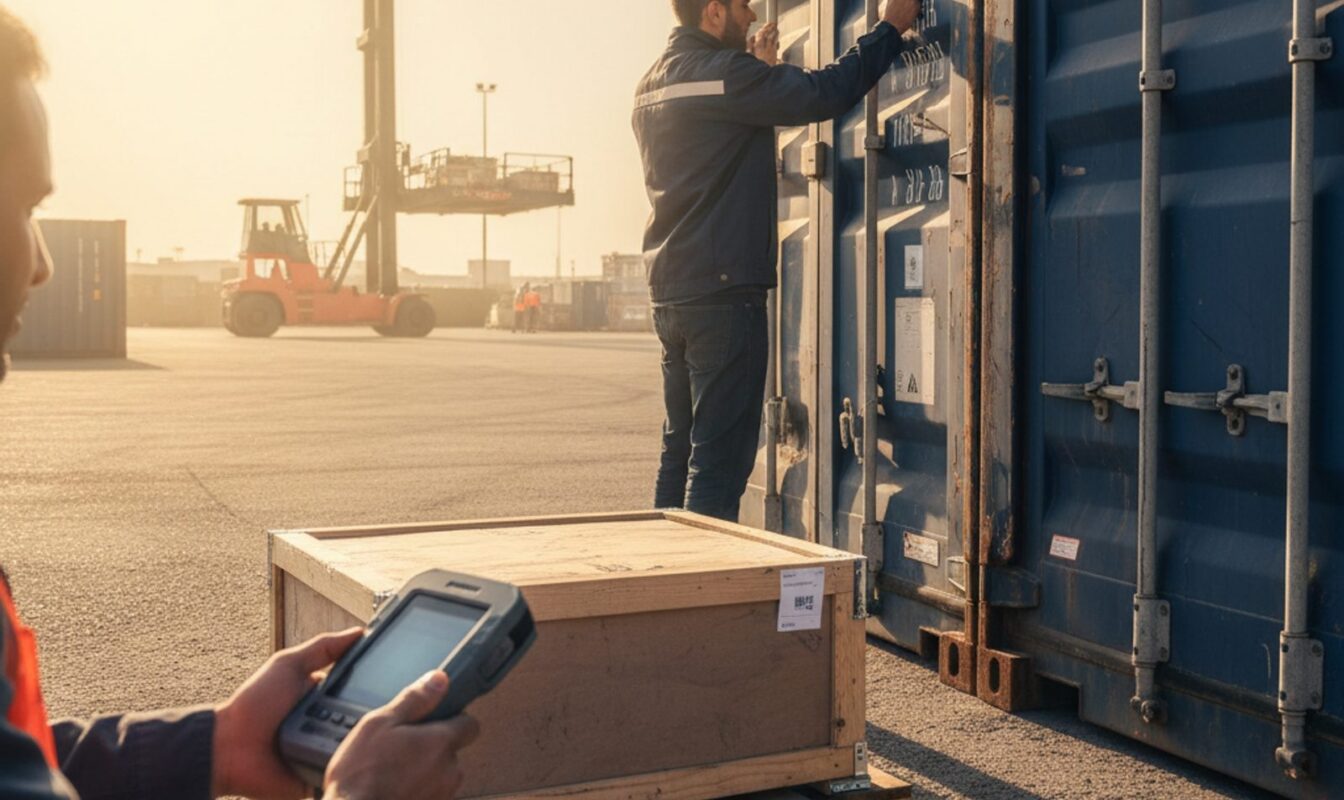
End-to-end visibility is the foundation of every other cost-reduction strategy. If you do not know where your trailers, containers, returnable assets, equipment, or high-value shipments are, every downstream decision becomes a guess. Cellular GPS trackers handle long-haul, in-transit, and over-the-road visibility. Bluetooth Low Energy (BLE) asset tags handle yard, site, indoor, and short-range visibility at a fraction of the cost per tag.
The savings show up quickly: fewer lost assets, faster trailer turn times, lower demurrage exposure, recovered stolen freight, and the data backbone needed to negotiate with carriers and 3PLs from a position of evidence rather than anecdote.
2. Optimize Routing, Zone Skipping, and Load Planning with AI
AI-powered route optimization is no longer experimental. Modern transportation management systems use live traffic, weather, fuel prices, hours-of-service rules, and historical performance to plan routes that reduce empty miles and improve on-time delivery. Tactics like zone skipping – consolidating shipments to bypass intermediate sorting hubs, and dynamic load consolidation can deliver double-digit shipping savings on high-volume lanes. Even a five to ten percent reduction in miles driven flows straight to the bottom line through fuel, maintenance, and driver-hour savings.
3. Consolidate Suppliers, Renegotiate, and Add Blockchain Transparency
- Audit your supplier base for redundancy, fragmentation, and tail spend.
- Consolidate volume with strategic suppliers to unlock tiered pricing and rebates.
- Use shipment and dwell data to renegotiate carrier contracts based on actual performance, not stated service levels.
- Diversify intentionally for critical SKUs to protect against single-source disruption.
- Deploy blockchain-based traceability for high-risk categories, pharma, food, electronics, to improve transparency, automate compliance documentation, and accelerate contract and payment workflows.
4. Implement Predictive Demand Forecasting and Demand Sensing
The bullwhip effect, small demand changes amplifying into massive inventory swings upstream, remains one of the most expensive flaws in modern supply chains and is the single largest source of frozen working capital on most balance sheets. Machine learning models trained on point-of-sale data, weather, promotions, and macroeconomic signals can cut forecast error significantly. Short-horizon demand sensing picks up shifts days or weeks earlier than traditional methods. Lower forecast error means less safety stock, fewer stockouts, less expedited freight, and millions of dollars freed from inventory and redeployed into growth.
5. Prevent Strategic Cargo Theft and Fictitious Pickups
Strategic cargo theft is one of the fastest-growing supply chain cost categories, and fictitious pickups – where criminals impersonate legitimate carriers, present fraudulent paperwork, and drive away with entire loads, have become especially damaging across North American freight lanes. Traditional fraud checks at the broker level can no longer keep pace. Covert GPS trackers placed inside high-value loads are the ultimate failsafe: they keep transmitting after the theft, allow live recovery coordination with law enforcement, and turn what would have been a total loss into a recoverable asset. Geofence alerts and live monitoring also act as a deterrent, sophisticated theft rings actively avoid shippers with known tracking signatures.
6. Cut Demurrage and Detention Through Dwell Visibility
You cannot manage what you cannot measure. Tracking trailer and container dwell times at every node, origin, port, rail yard, distribution center, customer dock, exposes which lanes, customers, and facilities are driving accessorial charges. Most shippers find that fewer than twenty percent of locations generate the majority of detention fees.
7. Optimize Your Network Footprint and Sourcing Geography
Nearshoring to Mexico, Central America, and other proximate regions has accelerated as tariff exposure and ocean freight unpredictability have made distant sourcing riskier. But network optimization is broader than nearshoring alone. Strategic operators are also reevaluating the location and number of distribution centers, manufacturing footprints, and cross-dock facilities against consumer demand for expedited delivery. Late-stage differentiation – postponing product customization until as late in the supply chain as possible, further compounds the benefit: the same product variety at the shelf with dramatically lower inventory exposure upstream.
8. Automate Reverse Logistics
Returns are where margin goes to die. Automating return authorization, routing returns to the closest qualified node, and using condition data captured at receipt to route products to the highest-value disposition channel can recover significant value from what is otherwise pure cost.
9. Reduce SKU and Product Portfolio Complexity
SKU proliferation is one of the most underestimated cost drivers in modern supply chains. A focused analysis of which products actually contribute meaningful margin almost always identifies a long tail of variants that drain working capital, forecasting accuracy, warehouse capacity, supplier focus, and packaging spend, without delivering proportional revenue. Rationalizing that tail is one of the highest-ROI moves a supply chain leader can make, and it does not require new technology. It requires the discipline to say no to product proliferation requests that do not pencil out.
10. Treat Sustainability and Scope 3 Emissions as a Financial Imperative
Sustainability is no longer a marketing layer on top of the supply chain. It is a hard financial risk and an increasingly common prerequisite for winning enterprise contracts. Scope 3 emissions reporting – the indirect emissions across your supplier base, logistics partners, and product use, is moving from voluntary disclosure to regulated requirement in multiple jurisdictions, and large enterprise buyers now disqualify suppliers that cannot provide auditable Scope 3 data. The good news is that the cost levers and emissions levers overlap almost completely. Fewer empty miles, better load utilization, less expedited freight, smarter energy management at manufacturing and distribution sites, and longer-life reusable assets all reduce emissions and cost simultaneously. Treating Scope 3 as a financial program, not a sustainability report, is what unlocks both.
End-to-End Supply Chain Visibility: How GPX Real-Time Asset Tracking Eliminates Blind Spots
Of all the strategies above, real-time asset tracking is the one that compounds the value of every other initiative. Route optimization is more accurate when you know where every truck and trailer actually is. Demand forecasting is more reliable when in-transit inventory is visible. Carrier negotiations are stronger when you have dwell data. Reverse logistics is leaner when you can locate returnable assets. Strategic cargo theft is recoverable when covert trackers keep transmitting.
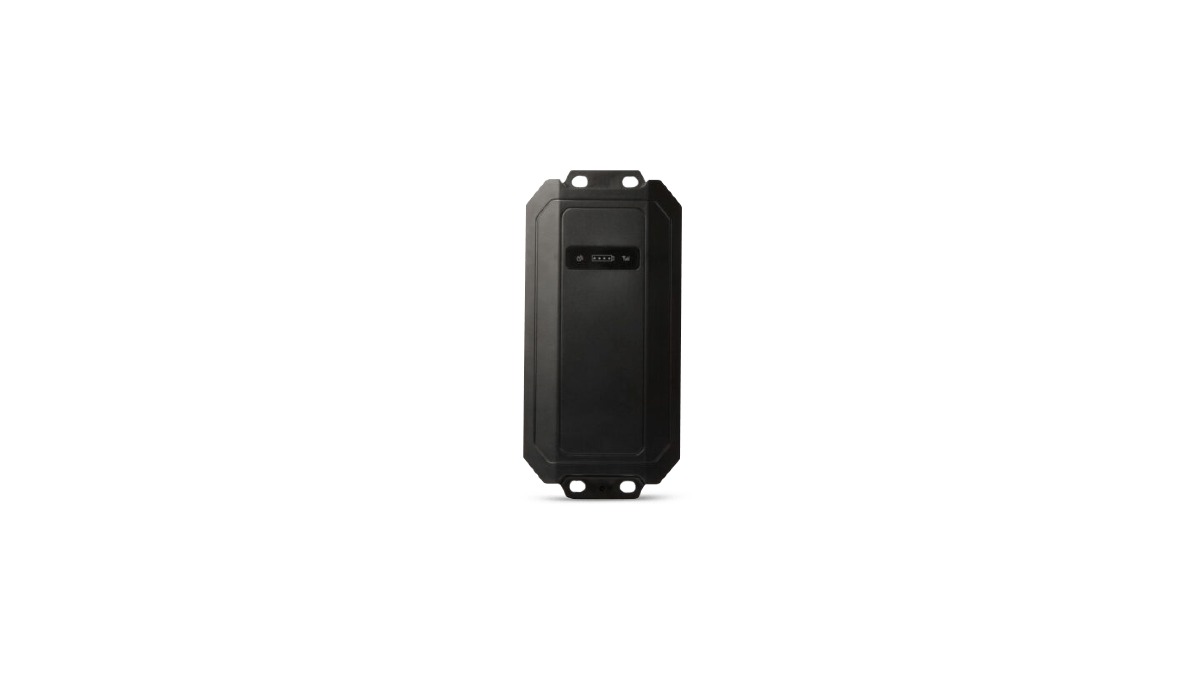
This is where GPX Intelligence focuses. Our cellular GPS trackers deliver in-transit, over-the-road, and long-haul visibility for trailers, containers, high-value cargo, and fleet vehicles. Our BLE AssetTag, with a replaceable battery and a 4-year battery life, gives you affordable, scalable visibility for tools, equipment, returnable containers, and any asset that moves within yards, sites, facilities, or short-range environments. Together, they form a layered visibility stack that eliminates the blind spots between outdoor in-transit and indoor or short-range tracking, without forcing you to compromise on either.
The outcomes our customers report consistently include reduced asset loss, faster trailer turns, lower demurrage exposure, improved on-time delivery, recovered stolen cargo, and the operational data needed to drive every other cost-reduction conversation.
Supply Chain Cost Reduction Approaches: A Side-by-Side Comparison
Not every cost-reduction lever fits every operation. The table below compares the most common approaches across the dimensions that matter most when prioritizing investments.
| Cost Reduction Approach | Best For | Typical Savings Range | Implementation Timeline | Technology Required |
|---|---|---|---|---|
| Real-Time GPS & BLE Asset Tracking (GPX) | In-transit visibility, asset recovery, dwell management | 15-30% logistics cost reduction | 2-4 weeks | Cellular GPS trackers + BLE AssetTags |
| AI Routing & Zone Skipping | Fleet operations, last-mile, parcel | 8-15% fuel and mileage costs | 4-8 weeks | TMS with AI/ML routing engine |
| Predictive Demand Forecasting | Inventory-heavy operations | 20-30% inventory carrying cost | 2-6 months | ML forecasting platform + clean data |
| Supplier Consolidation & Renegotiation | Procurement-driven savings | 5-12% addressable spend | 3-6 months | Spend analytics, sourcing platform |
| Strategic Cargo Theft Prevention | High-value freight, electronics, pharma | Up to 80% theft loss reduction | 1-3 weeks | Covert GPS trackers + monitoring |
| SKU Rationalization | Sprawling product portfolios | 10-20% inventory carrying cost | 3-6 months | Margin analytics, finance partnership |
| Network & Sourcing Redesign | Tariff-exposed product categories | 10-25% total landed cost | 6-18 months | Network optimization software, sourcing |
| Reverse Logistics Automation | E-commerce, durable goods, returns-heavy | 15-25% returns cost | 3-6 months | Returns management platform |
Next-Gen Logistics Technologies: Leveraging Supply Chain Digital Twins and Predictive Analytics for ROI
The defining shift in supply chain cost management over the last few years has been the move from reactive reporting to predictive intelligence. Yesterday’s dashboards told you what already went wrong. Today’s AI, IoT, and digital twin platforms tell you what is about to go wrong, and increasingly, what to do about it before it happens.
The most impactful applications we are seeing across our customer base include:
- Predictive ETAs: Live ETAs that adjust based on traffic, weather, dwell, and historical lane performance, allowing receivers to plan labor and dock doors precisely.
- Anomaly detection: Machine learning models that flag unusual dwell times, route deviations, or temperature excursions before they become losses.
- Demand sensing: Short-horizon forecasts that pick up demand shifts days or weeks earlier than traditional methods.
- Supply chain digital twins: Virtual replicas of your network that let planners model the cost and service impact of disruptions, new lanes, or facility changes before committing capital. Digital twin investments increasingly pay back within 12 months for mid-to-large operators.
- Control towers: Unified, real-time command centers that integrate tracking, TMS, ERP, and supplier data into a single operational view.
- Blockchain for partner transparency: Immutable, shared ledgers that improve traceability, reduce dispute costs, and automate supplier payments and compliance documentation.
- Generative AI copilots: Natural-language interfaces that let planners, dispatchers, and procurement teams query supply chain data without writing SQL or building reports.
The common thread is that all of these capabilities depend on clean, real-time data flowing in from the physical world. IoT trackers, BLE tags, telematics devices, and sensors are the data sources that make AI useful. Without them, you are training models on stale, incomplete information.
Industry-Specific Cost Reduction Opportunities
Supply chain cost reduction looks different depending on the industry. The strategies that move the needle for a construction equipment fleet are not the same as those that matter to a cold-chain pharmaceutical shipper.
- Construction: Equipment theft, idle utilization, jobsite material loss, and intercompany rental tracking are the dominant cost levers. Real-time tracking of high-value equipment and consumables typically delivers fast payback.
- Fleet and trucking: Fuel, maintenance, driver retention, and trailer utilization drive cost structure. Telematics, trailer tracking, and predictive maintenance are the highest-leverage investments.
- Healthcare and pharma: Cold chain integrity, chain-of-custody compliance, and expensive lost-asset replacement (think infusion pumps and surgical kits) make visibility a clinical and financial imperative.
- Automotive: Just-in-sequence delivery, returnable container management, and inbound supplier visibility are critical, and disruptions are extraordinarily expensive.
- In-transit logistics and 3PL: Demurrage exposure, customer service-level penalties, and asset utilization across a broad fleet of trailers and containers are where margin is won or lost.
- Yard and supply chain visibility: Trailer dwell, yard congestion, and gate efficiency directly impact accessorial charges and customer experience.
The right starting point is almost always the area where you have the least visibility today, because that is where the hidden costs are largest.
Key Performance Indicators (KPIs) to Measure Supply Chain Cost Reduction
You cannot manage what you do not measure. The supply chain leaders driving sustainable savings rely on a tight, consistent set of KPIs to track progress, expose hidden problems, and align finance, operations, and procurement on a shared scorecard. Without a measurement framework, cost reduction becomes a series of disconnected projects that lose momentum the moment a new priority lands on the CEO’s desk.
The cost-focused KPIs that consistently produce the most value include:
- Cost of Goods Sold (COGS) as a Percentage of Revenue: The headline measure of supply chain efficiency at the P&L level.
- Supply Chain Cost per Unit: Total supply chain spend divided by units shipped, isolating productivity gains from volume effects.
- Transportation Cost per Unit: Your most volatile cost input, tracked by lane, mode, and carrier.
- Inventory Turnover Ratio and Days Inventory Outstanding (DIO): How quickly inventory converts to sales, exposing carrying cost waste.
- Cash-to-Cash Cycle Time: The working capital tied up between paying suppliers and collecting customer cash.
- Order Fulfillment Cycle Time: Total elapsed time from order placement to customer delivery.
- Perfect Order Rate: Orders delivered on time, in full, undamaged, and accurately invoiced, a single composite metric that captures service quality and rework costs.
- Demurrage and Detention Spend per Lane: The silent profit drain most CFOs miss until it appears on a variance report.
- Asset Utilization Rate: Trailers, containers, and vehicles earning revenue per available hour.
- Returns Cost as a Percentage of Outbound: Reverse logistics expressed in terms that finance teams can act on.
Tracking these KPIs consistently, and feeding them from your tracking, TMS, ERP, and analytics systems, is what turns supply chain cost reduction from a one-time project into a sustained operating capability.
How to Choose the Right Supply Chain Cost Reduction Strategy for Your Business
With so many possible strategies, the risk is doing too many things at once and accomplishing nothing meaningful. The most successful supply chain cost programs we have seen follow a deliberate sequencing logic. Here is how to think about prioritization.
- Start with visibility: If you cannot see your assets, shipments, and dwell times in real time, fix that first. Every other strategy depends on it.
- Quantify the hidden costs: Before investing, baseline your current spend on demurrage, lost assets, expedited freight, returns, SKU complexity, and shrinkage. The biggest pool of waste is your highest-priority target.
- Sequence quick wins ahead of structural change: Asset tracking, cargo theft prevention, and dwell visibility deliver returns in weeks. Network redesign, nearshoring, and SKU rationalization deliver larger returns but over quarters. A well-built program runs both timelines in parallel.
- Match the strategy to your operating model: A fleet-heavy operator should prioritize telematics and trailer tracking. An inventory-heavy operator should prioritize forecasting and SKU rationalization. A high-value freight shipper should prioritize strategic cargo theft prevention.
- Pilot before scaling: Pick one lane, one facility, or one product category. Prove the savings. Then scale with confidence.
- Choose technology partners that integrate: Stand-alone tools create more dashboards, not more savings. Make sure your tracking, TMS, ERP, and analytics platforms talk to each other.
- Appoint one accountable leader: Single-owner programs outperform committee-led ones. Give one senior executive cross-functional authority over the cost reduction agenda, with a direct line to the CEO and CFO.
- Tie incentives to outcomes: Operations, procurement, and finance need to share the same KPIs. When sustainability, cost, and service metrics align, the organization moves together.
The most effective programs follow a deliberate Prepare → Design → Execute rhythm. Prepare means aligning leadership on principles, building a baseline cost model, and defining quantified targets. Design means workshopping the specific levers, sourcing, network, planning, technology, into a sequenced roadmap with clear owners and KPIs. Execute means launching, instrumenting against the KPIs above, and continuously refining. The best supply chain cost reduction strategy is the one you can actually execute. Ambition matters, but execution capacity, change tolerance, and data readiness should shape the plan as much as the size of the prize.
Start Reducing Supply Chain Costs with GPX Intelligence
If real-time visibility is the foundation of every supply chain cost reduction strategy, GPX Intelligence is built to give you that foundation. Our cellular GPS trackers and our BLE AssetTag, with a replaceable battery and 4-year battery life, give you a layered visibility stack covering everything from over-the-road in-transit shipments to yards, sites, and indoor environments. Whether you are protecting high-value freight, managing trailers and returnable assets, or trying to cut demurrage exposure, we can help you turn invisible costs into manageable ones. Talk to our team to scope a pilot for your operation.
Frequently Asked Questions (FAQs)
2. What are the most expensive hidden costs in a global supply chain?
The biggest silent profit drains are demurrage and detention charges, lost or stolen assets, in-transit shrinkage and phantom inventory, expedited freight born of poor planning, excess safety stock compensating for unreliable lead times, SKU complexity costs (forecasting, slotting, packaging, returns), and reverse logistics. Most of these never appear as their own P&L line. They are absorbed into general overhead, which is exactly why they grow unchecked. Real-time visibility plus a dedicated KPI scorecard surfaces them and makes them addressable.
3. What is the ROI of real-time GPS and IoT asset tracking in logistics?
Enterprise customers across construction, fleet, healthcare, automotive, and in-transit logistics commonly report 15-30% logistics cost reduction, significant declines in asset loss and theft, and payback periods of under twelve months. The ROI comes from layering the right technology: cellular GPS trackers for long-range, in-transit, and over-the-road visibility (trailers, containers, vehicles, high-value cargo), and BLE asset tags for short-range, indoor, and yard-level visibility (tools, equipment, returnable containers). Most mature operations deploy both, and the combined visibility stack compounds the value of every downstream investment in AI routing, forecasting, and KPI tracking.
4. How does AI route optimization reduce transportation and freight spend?
AI route optimization continuously plans and re-plans routes using live traffic, weather, fuel prices, hours-of-service rules, carrier performance history, and load-level constraints. It reduces empty miles, improves on-time delivery, enables zone skipping (consolidating shipments to bypass intermediate sorting hubs), and dynamically consolidates loads on high-volume lanes. Even a 5-10% reduction in miles driven flows directly to the bottom line through fuel, maintenance, and driver-hour savings, and the better service levels reduce expedited freight and customer penalties on the back end.
5. How can shippers prevent strategic cargo theft and fictitious pickups?
Strategic cargo theft, including fictitious pickups where criminals impersonate legitimate carriers, has reached historic highs, and broker-level paperwork checks alone are no longer enough. The most effective defense is a layered approach: rigorous carrier identity verification, real-time dispatch monitoring, and most importantly, covert GPS trackers placed inside high-value loads. Covert trackers keep transmitting after a theft, allow live recovery coordination with law enforcement, and act as a strong deterrent because sophisticated theft rings actively avoid shippers with known tracking signatures. Combined with geofence alerts and live monitoring, covert tracking is the ultimate failsafe against full-load loss.