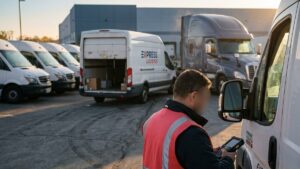


Construction and industrial equipment theft is more than a nuisance. It can stall projects, drive up rental costs, disrupt crews, and trigger insurance headaches when a critical machine disappears overnight. Traditional security measures are largely reactive, documenting losses after the fact instead of preventing them.
GPS tracking changes that dynamic by providing real-time visibility, instant alerts, and a clear record of where an asset is and how it moves. In this guide, we break down the most effective ways GPS tracking prevents theft, from geofencing and tamper alerts to recovery support, so your team can respond before losses escalate.
Construction and industrial equipment theft is a billion-dollar problem that disrupts projects, increases insurance premiums, and erodes profit margins. Large assets like excavators, generators, and compressors are prime targets because they are high-value, easy to resell, and often left unattended on remote job sites.
Traditional security measures like fences and cameras are passive. They may record a theft, but they rarely stop it. GPS tracking shifts security from reactive to proactive. It gives fleet managers and business owners the ability to monitor assets in real time, detect unauthorized use immediately, and recover stolen equipment before it is lost forever.
Before You Read On
- GPS tracking gives real-time location visibility so teams can respond before equipment disappears.
- Geofencing and tamper alerts notify you the moment an asset leaves its designated area.
- Traditional security documents losses after the fact; GPS lets you act while theft is occurring.
- Excavators, generators, and compressors are prime targets because they are high-value and often left unattended.
- Recovery support features help teams and law enforcement act quickly once a theft is confirmed.
What is GPS tracking?
GPS (Global Positioning System) tracking is a technology that uses satellite signals to determine the precise location of a device, person, or asset. In a commercial context, a GPS tracker is attached to equipment or vehicles to transmit location data to a central software platform via cellular networks. This allows owners to monitor the movement, status, and usage of their assets from a computer or mobile device, providing total visibility over their operations.
5 ways GPS tracking can prevent large equipment theft
Protecting high-value machinery requires a multi-layered approach. GPS tracking provides five distinct mechanisms to stop theft in its tracks or ensure rapid recovery.
1. Instant Theft Alerts & Real-Time Tracking
The primary defense against theft is knowing exactly where your equipment is at all times. GPS trackers create a digital footprint for every asset, whether it is powered or unpowered. This visibility eliminates the guesswork of yard hunts and manual inventory checks.
For fleet managers, this means seeing all assets on a single map. If a piece of machinery is supposed to be in a secure yard but appears miles away on a highway, the discrepancy is visible instantly. This level of transparency makes it difficult for thieves to move equipment without being noticed.
2. Geofencing: Setting Virtual Boundaries for Extra Security
Geofencing is one of the most effective tools for preventing theft. A geofence is a virtual boundary drawn around a specific location, such as a job site, warehouse, or storage yard. When a GPS-tracked asset crosses this boundary, the system triggers an immediate alert via SMS or email.
This capability is critical for after-hours security. If a generator moves outside the geofenced area at 3:00 AM, the site manager knows instantly. This allows for a rapid response while the crime is in progress, rather than discovering the loss the next morning when the crew arrives for work.
3. Remote Engine Shutdown for Theft Prevention
Advanced GPS tracking systems offer active countermeasures beyond simple monitoring. Remote immobilization allows an authorized user to disable a machine’s ignition remotely. If an alert indicates unauthorized movement, the manager can send a command to shut down the engine or prevent it from restarting. This effectively strands the thief and the equipment, making recovery significantly easier.
4. How GPS Trackers Deter Theft
The physical presence of a tracker can serve as a psychological deterrent. When thieves see a GPS device or decals indicating that a machine is tracked, they are more likely to move on to an easier target.
Furthermore, tamper detection adds another layer of security. Thieves often attempt to locate and remove tracking devices. High-quality trackers are equipped with sensors that detect vibration, light exposure, or power disconnection. If someone tries to pry the device off or cut the power supply, the system sends a “tamper alert” immediately, warning the team that the asset is under attack.
5. How GPS Tracking Aids in Stolen Vehicle Recovery?
When theft occurs, speed is the most important factor in recovery. Law enforcement agencies prioritize cases where they have actionable intelligence. A GPS tracker provides police with precise coordinates, speed, and direction of travel.
Instead of filing a report for a “missing bulldozer,” owners can direct officers to the exact location of the stolen asset. This data creates a clear chain of evidence and drastically reduces the time between theft and recovery.
Using an Asset Tracking Solution to Protect Small Equipment from Theft
It is not just heavy machinery that disappears; small equipment like compressors, welders, and trailers are frequent targets. These items often lack their own power source, making them harder to track with standard vehicle trackers.
Battery-powered asset trackers are the solution here. These compact, rugged devices can be hidden on smaller assets and run for years on internal batteries. They check in once or twice a day to report location and switch to a higher update frequency if they detect unauthorized movement. This ensures that even the smallest valuable assets on a job site remain visible and secure.
How to choose the right GPS tracking solution for equipment
Selecting the right tracker depends on the specific needs of your fleet.
- Battery Life: For unpowered assets, look for devices with multi-year battery life. For powered equipment, ensure the device has an internal backup battery in case the main power is cut.
- Durability: Construction environments are harsh. Choose trackers with a high IP rating (IP67 or IP68) to withstand dust, water, and impact.
- Connectivity: Ensure the device operates on reliable cellular networks (4G LTE or 5G) to maintain connection in remote areas.
- Software Usability: The platform should be intuitive, offering easy-to-set geofences and customizable alerts without a steep learning curve.
Why Every Business & Car Owner Needs a GPS Tracker
The cost of equipment theft extends far beyond the replacement price of the machine. It includes project delays, rental costs for replacement gear, and administrative downtime. Implementing a robust GPS tracking strategy is an operational necessity.
For business owners, it protects the bottom line and lowers insurance risk. For vehicle owners, it provides peace of mind. By combining real-time visibility, geofencing, and active immobilization, businesses can secure their job sites and ensure their valuable assets remain in their control.
Securing the Job Site
Implementing a robust GPS tracking strategy is an operational necessity. By combining real-time visibility, geofencing, and active immobilization, businesses can secure their job sites and ensure their valuable assets remain in their control.
Frequently Asked Questions (FAQs)
Can GPS trackers work if the equipment battery is disconnected?
Yes, most commercial GPS trackers utilize an internal backup battery that keeps the device operational even if the external power source is cut. This ensures continued tracking during theft attempts where the main battery is disabled.
What happens if the equipment is taken to an area with no cellular coverage?
Modern trackers store location data internally when cellular networks are unavailable. Once the device re-enters an area with signal coverage, it uploads the stored history, allowing the recovery team to trace the route taken.
Is geofencing difficult to set up for multiple job sites?
No, most fleet management platforms allow users to draw geofences quickly on a map interface. You can create custom shapes for specific project boundaries and apply them to all assets assigned to that location.
Can GPS tracking lower my insurance premiums?
Many insurance providers offer discounts for fleets equipped with GPS tracking and recovery systems. The ability to recover stolen assets reduces the insurer’s risk, which is often reflected in lower deductible options or premium credits.
How often does the GPS tracker update its location?
Update frequency depends on the device configuration and power source. Powered assets typically update every few minutes while moving, while non-powered assets may update once or twice a day to conserve battery life until theft mode is activated.