

The demand for the smallest GPS trackers is exploding for one simple reason: teams (and families) want real visibility without bulky hardware or a complicated install. But here’s the catch I see all the time—many “mini trackers” aren’t GPS at all; they’re Bluetooth item finders that work great in a parking lot, then go silent the moment you actually need recovery-level insight. In this 2026 guide, I’ll break down the 7 best compact GPS trackers you can carry anywhere, what’s truly “GPS + cellular” versus proximity-based tracking, how to choose the right balance of size, battery life, coverage, and subscription cost, and which options make the most sense for everything from personal gear to business assets and mobile inventory.
Asset loss and equipment misplacement can disrupt critical operational workflows and erode project margins. Modern logistics leaders require compact tracking solutions that provide high-resolution visibility without the physical footprint of traditional telematics hardware. Today’s smallest GPS trackers are tiny, easy to carry, and powerful enough to keep an eye on whatever matters most to you without drawing attention.
The global GPS tracking device market is expected to reach well over 4 billion USD in 2025 as demand rises for personal safety and asset visibility. These little devices are designed to fit in a pocket, wallet, bag, or even hidden inside equipment. They help with tracking lost keys, monitoring vehicles, and giving peace of mind about loved ones or business assets.
The best units combine size, battery life, coverage, and real-time tracking so you get reliable information whenever you need it. This guide breaks down the top smallest GPS trackers, showing what makes each one worth considering and who it’s best for.
The Fast Version
- Many compact trackers are Bluetooth-only and go silent exactly when you need recovery-level visibility.
- True GPS trackers combine satellite positioning with cellular coverage for reliable continuous tracking.
- Choosing the right device requires balancing size, battery life, coverage area, and subscription cost.
- Small trackers serve use cases from personal gear to business assets and mobile inventory.
- Asset loss and equipment misplacement directly disrupt operational workflows and erode project margins.
Why Small GPS Trackers Are So Popular
People want trackers that are easy to carry and easy to use. Smaller gadgets are less noticeable and can sit quietly in a bag or pocket without interrupting daily life. With advancements in design and battery technology, mini GPS trackers now deliver surprising accuracy and connectivity despite their tiny size.
Versatile uses include protecting valuables, keeping tabs on vehicles, and tracking pets. This tech is also utilized by businesses to monitor tools and equipment. What used to be big and expensive tech is now compact, affordable, and accessible.
What Makes a GPS Tracker Truly “Small”
A GPS tracker earns the label small when it fits easily in your hand, slips into tiny spaces, or hides without drawing attention. But size isn’t the only factor that matters. Even compact trackers need a solid battery life, strong signal reception, and accurate location data.
When you’re choosing one, think about where you’ll keep it and how often you need updates. A tracker that’s just a bit bigger but has much longer battery life might be better for long trips. A tiny tracker with shorter battery life could be perfect for everyday items like wallets or backpacks.
Quick Comparison Table
The table below compares real dimensions and weights, and shows which trackers use true GPS and which are Bluetooth item finders that rely on nearby phones. Sizes are from each manufacturer, checked October 2026.
| Device | Size | Weight | True GPS? | Best Use Case |
|---|---|---|---|---|
| GPX MicroTrack | 85 x 51 x 20 mm | 99 g | Yes, GPS plus LTE-M / NB-IoT cellular | Parcels and high-value shipments |
| Apple AirTag | 31.9 mm across, 8.0 mm thick | 11.8 g | No, Bluetooth and Ultra Wideband via Find My | Personal items for iPhone users |
| Tile Mate (2024) | 37.6 x 37.6 x 7.4 mm | 8 g | No, Bluetooth | Keys and everyday items |
| Spytec Mini GPS | Not consistently published | Not consistently published | Yes, GPS plus 4G LTE | Vehicles and asset security |
| Invoxia GPS Tracker Classic | 105 x 27 x 9.5 mm | 27 g | Yes, GPS over LoRa or Sigfox | Bikes, bags and long battery life |
| AngelSense | Not published | Not published | Yes, GPS plus cellular | Caregiver and family monitoring |
1. GPX MicroTrack, Smallest Cellular GPS Tracker for Business Shipments
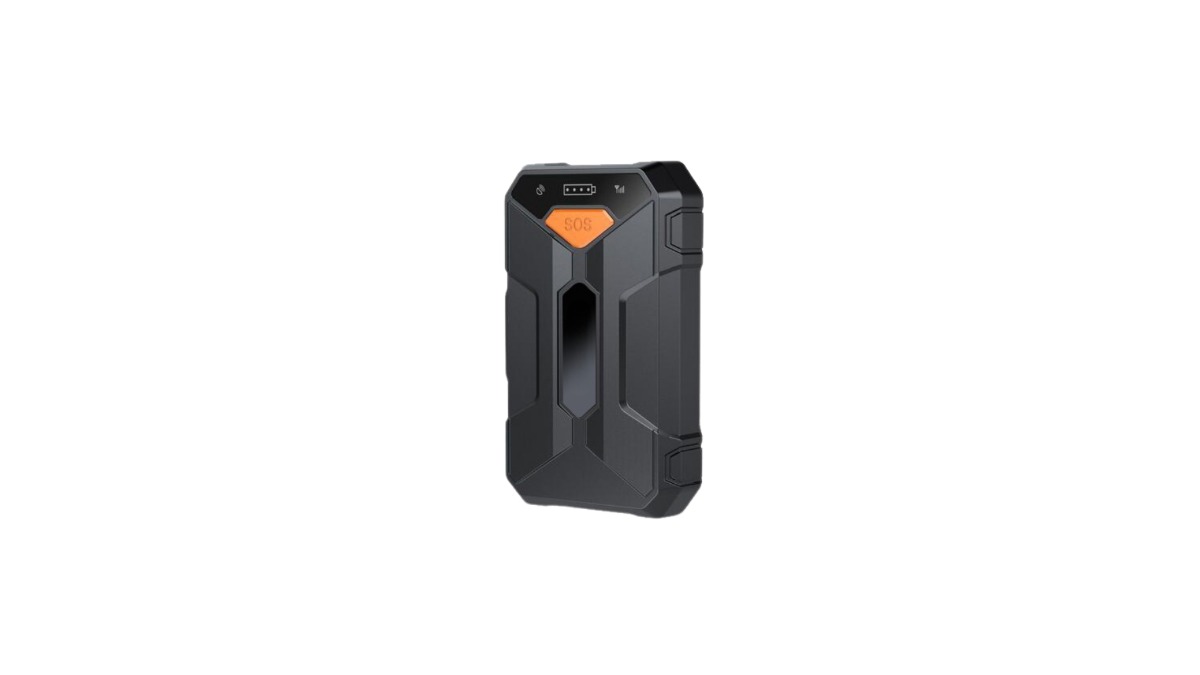
The GPX MicroTrack is built to ride inside a package. It measures 85 x 51 x 20 mm, smaller than a deck of cards, weighs 99 grams and is sealed to IP67. It is a true GPS tracker with its own cellular connection over 4G LTE Cat-M1 and NB-IoT with 2G fallback, plus WiFi positioning when GPS cannot see the sky.
In motion it reports every 60 seconds, so you can watch a shipment move through USPS, FedEx or UPS. The rechargeable battery is a budget you set: about 2.5 weeks at 60-second updates, and up to 18 months at one report a day. Scout AI, the GPX platform assistant, geofences each site so you get an alert when a parcel arrives, departs or detours.
Best for: Parcels, high-value shipments and assets that need a real GPS fix rather than a Bluetooth ping.
Pros:
- True GPS with its own cellular connection, no phone network needed.
- 60-second updates in motion with configurable reporting.
- IP67 and rechargeable over USB-C.
Cons:
- Larger than coin-sized Bluetooth tags such as AirTag or Tile.
- Requires a service plan.
2. Apple AirTag, Ultra Compact Tracker for Apple Users
Apple AirTag is tiny and designed for everyday items like keys, wallets, or backpacks. It doesn’t use traditional GPS. Instead, it taps into Apple’s massive Find My network, leveraging nearby Apple devices to report its location.
Best for: Anyone deep in the Apple ecosystem who wants the absolute smallest tracker for lost personal items.
Pros:
- Seamless integration with Apple devices.
- Precision finding with ultra-wideband technology.
- No monthly subscription fees.
Cons:
- Limited effectiveness in areas with low Apple device density.
- Lacks standalone GPS and cellular connectivity.
3. Tile Mate, Compact Tracker for Daily Essentials
Tile Mate is another tiny tracker that helps you find things like keys, wallets, and bags. It uses Bluetooth and a community network of Tile users to help locate items within a broad range.
Best for: People who want a simple, compact tool to find everyday items at close range.
Pros:
- Works with both iOS and Android devices.
- Slim and durable design with a built-in keyring hole.
- Loud ringer to help find items nearby.
Cons:
- Relies on Bluetooth range for real-time tracking.
- Community network is smaller than Apple’s Find My network.
4. Spytec Mini GPS, Small Tracker with Strong Real-Time Updates
Spytec Mini GPS packs real GPS tracking into a compact design built for reliability. It is especially popular for vehicles, trailers, and valuable assets that might be on the move.
Best for: Users who want live tracking in a small, discreet device for assets or vehicles.
Pros:
- Accurate real-time location data with frequent updates.
- Detailed route history and movement logs.
- Durable build for versatile mounting.
Cons:
- Requires a recurring subscription for cellular data.
- Battery life is shorter when set to high-frequency reporting.
5. Invoxia GPS Tracker, Slim and Lightweight Design
Invoxia GPS Tracker is known for its slim profile and long battery life. Because it is lightweight and discreet, it works well tucked in bags or travel gear.
Best for: Anyone who wants a small tracker that lasts a long time on a charge, even if real-time updates aren’t constant.
Pros:
- Exceptional battery life compared to typical cellular units.
- Slim design fits easily into wallets or laptop sleeves.
- No SIM card required; utilizes low-power networks.
Cons:
- Location updates are less frequent to save power.
- Coverage may be limited depending on regional network availability.
6. AngelSense, Small GPS Tracker for Personal Safety
AngelSense is slightly larger than some Bluetooth trackers but still compact enough for everyday use. It focuses on personal safety rather than asset tracking.
Best for: Families and caregivers who need a reliable location tracker focused on safety and peace of mind.
Pros:
- Advanced safety tools including 2-way voice communication.
- Real-time monitoring with a high update frequency.
- Intelligent alerts for route deviations and safe zones.
Cons:
- Higher monthly subscription cost for safety features.
- Physical size is larger than simple item trackers.
How to Choose the Right Small GPS Tracker
Picking the best small GPS tracker isn’t just about size. Think about how often you need updates. Real-time location matters more for vehicle or asset security, while slower updates can be fine for passive tracking.
Battery life is also important. A very small tracker might need more frequent charging, which isn’t ideal for long trips. Coverage matters too. Some trackers work best with global cellular connections, while others rely on Bluetooth networks.
Consider subscription fees as well. Some trackers include advanced features only through monthly plans, while others work fine without ongoing costs. Knowing what you need helps you pick the right balance of size, features, and cost.
How to Select the Right Compact GPS Tracker
The smallest GPS trackers in 2026 prove that you don’t have to sacrifice performance for size. From the GPX MicroTrack for business shipments to coin-sized Bluetooth tags like AirTag for keys and bags, there’s a tiny tracker for every situation.
A good small GPS tracker stays quiet in the background and gives you confidence that what matters most is always under watch. Organizations that adopt these compact units can significantly reduce the cost of asset recovery and inventory shrinkage.
By integrating these tools, businesses can transform their logistics into a more responsive and accountable system. The transition to smaller, more intelligent hardware allows for granular monitoring that was previously impossible. This results in improved ROI and better resource allocation across the entire supply chain through 2026.
Future asset management strategies will rely on API-driven ecosystems where these small trackers provide the core data points. This allows for automated auditing and real-time intervention during transport delays. Adopting this technology now ensures that your business remains competitive in an increasingly automated and data-rich market.
For simpler consumer or small-business needs, budget GPS brands like Logistimatics or Kayo cover basic vehicle and personal tracking, though without the scale, multi-year battery life, and analytics that a business-grade platform provides.
Frequently Asked Questions (FAQs)
How do mini GPS trackers maintain battery life despite their size?
Modern mini trackers use low-power networks like LTE-M or NB-IoT which require significantly less energy for data transmission. Many devices also include motion sensors that only activate the GPS when the asset is moving, extending battery life to several weeks or months.
Are small trackers less accurate than larger vehicle GPS units?
Accuracy is generally comparable because both use the same GPS satellite constellations. However, very small trackers may have smaller antennas, which can result in slower signal acquisition when the device is placed deep inside metal containers or structures.
Do I need a professional to install a small GPS tracker?
Most small GPS trackers are designed for immediate use and do not require professional installation. For personal items, they are simply placed in a bag or pocket, while business assets often use adhesive or magnetic mounts for quick deployment.
Can these small trackers work internationally?
Trackers equipped with global eSIM technology can operate across international borders without manual configuration. It is important to verify that the device supports the cellular bands used in the target country to ensure consistent location reporting.
How can I tell if a compact tracker is true GPS or just a Bluetooth item finder?
Many mini trackers are Bluetooth-only and work well in a parking lot but go silent when you need real recovery visibility. True GPS trackers combine GPS positioning with cellular connectivity, providing coverage well beyond Bluetooth range.