


Unpacking the Truth About Dealership GPS Tracking
Real-time vehicle tracking has quietly become part of everyday dealership operations. As cars, financing, and inventory systems grow more connected, many buyers are left wondering what is happening behind the scenes.
Do dealerships put trackers on cars? Can dealerships track your vehicle? Where are these trackers placed and why?
Let’s answer all of it, backed by data, best practices, and what every buyer should know.
Why Do Dealerships Install Trackers on Cars?
Dealerships manage a high-value inventory that’s vulnerable to theft, misuse, and financing risks. GPS tracking and BLE devices help secure these assets, streamline operations, and deliver accountability at every stage.
🔒 Inventory Security & Theft Recovery
With millions of dollars in on-lot inventory, vehicle theft and unauthorized movement are serious risks. GPS trackers help dealerships quickly locate and recover vehicles, prevent losses, reduce insurance claims, and deter criminal activity.
According to the National Insurance Crime Bureau (NICB), over 1 million vehicles were reported stolen in the United States in 2023, marking an increase of about one percent from the previous year. This statistic underscores the growing necessity for real-time tracking in vehicle security.
📈 Loaner Vehicles, Test Drives & BHPH Risk Mitigation
For loaner cars and test drives, tracking systems help monitor usage, prevent unauthorized detours, and reduce vehicle abuse. In Buy Here Pay Here or in-house financing programs, dealerships use trackers to locate and recover vehicles when payments fall behind, protecting their financial investment.
🧰 Vehicle Readiness & Health Monitoring
Many modern GPS tracking devices also support vehicle health monitoring. They can alert managers to low battery levels, detect tampering, and help keep vehicles test-drive ready, improving the customer experience and reducing costly downtime.
Can Dealerships Track Your Car?
Yes, but only under strict legal and ethical guidelines. Dealerships can track a vehicle in specific scenarios, but only if proper disclosure and consent are in place.
- Before Sale or During Financing: If a tracker is installed for inventory or financing protection, dealerships must disclose it and obtain written consent from the customer.
- After Purchase (Outright): Once the car is paid for in full and ownership is transferred, continued tracking is typically not legal without a new agreement.
Always read your purchase or lease documents carefully and ask about any tracking terms upfront.
Where Do Car Dealerships Place Trackers?
Dealerships install trackers in discreet, signal-strong locations designed to prevent tampering and maintain GPS accuracy. Common GPS tracker placements include:
- Under the dashboard or steering column
- Inside glove boxes or center consoles
- Behind bumpers or within brake light compartments
- Under seats or within seat cushions
- Inside the trunk, engine bay, or sun visor
- Connected to the OBD-II port
- Mounted on the undercarriage using magnets or brackets
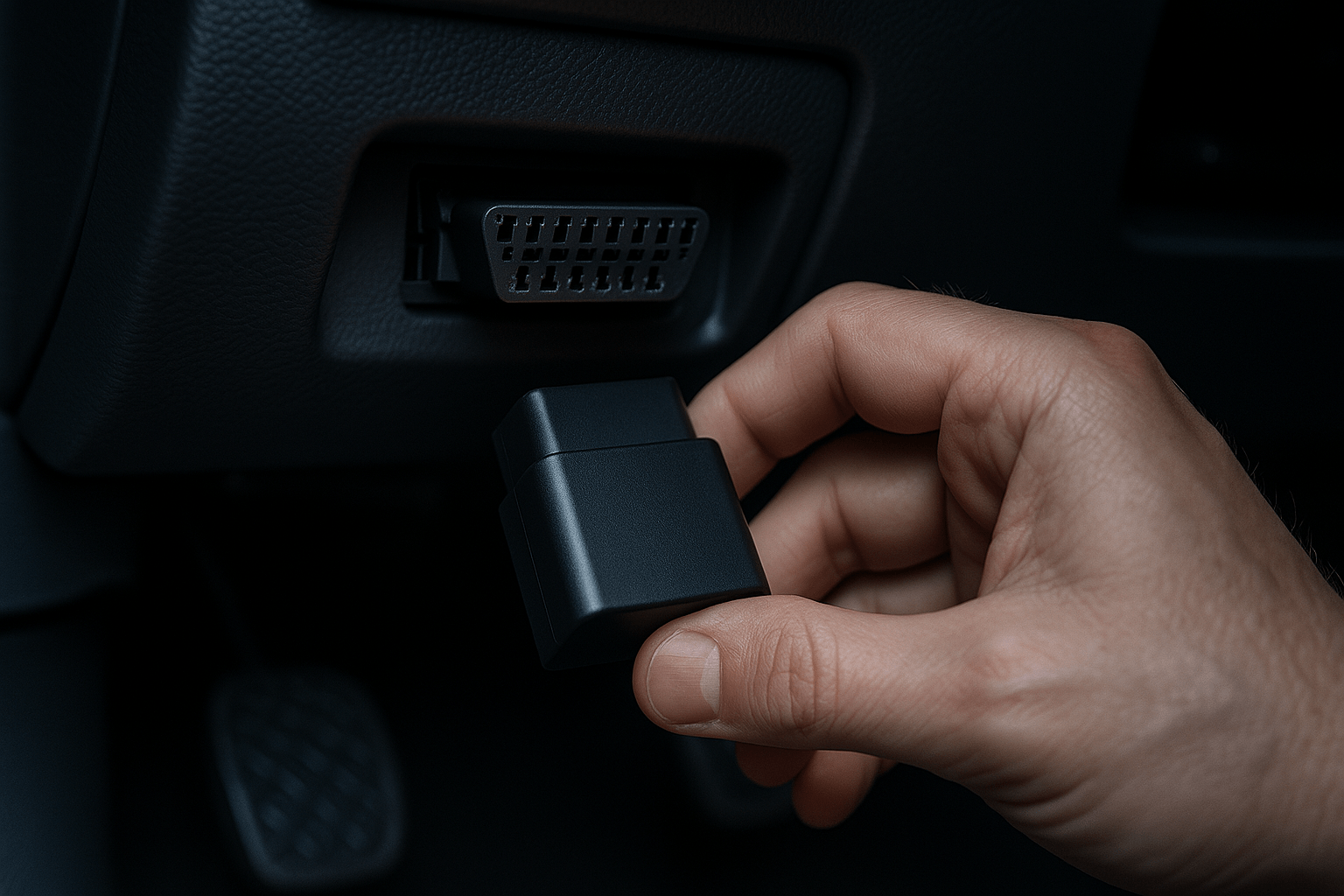
Each location is selected based on signal strength, concealment, and ease of installation or removal. These placements are carefully chosen to ensure dealership staff can access real-time data without interfering with a buyer’s driving experience.
How Can I Tell If My Car Has a Tracker?
If you’re unsure whether your car has a tracker installed, here are some practical ways to check:
- Check the OBD-II Port: Look under the dashboard for any unfamiliar plugged-in device.
- Inspect Common Hiding Spots: Glove box, under seats, trunk, or undercarriage may conceal a tracker.
- Use a GPS Bug Detector: These tools detect active signals from tracking devices.
- Ask Your Dealer: The most transparent approach is to ask directly before or after purchase.

Remember, a good dealership will gladly disclose this information and help you understand how tracking is used to your benefit.
Are Dealership Trackers Legal?
Yes, if dealerships follow proper procedures. Federal and state laws allow GPS tracking on dealership-owned vehicles or those under active finance contracts, but they also require:
- ✅ Full disclosure at the point of sale or lease
- ✅ Written customer consent
- ✅ Secure storage of tracking data
- ✅ Use limited to defined, lawful purposes
Dealerships that skip these steps may face legal consequences. As a buyer, you have the right to decline or negotiate tracking terms before signing any agreement.
Do All Dealerships Use Trackers?
Not universally, but it’s increasingly common across:
- Used car dealerships
- Buy Here Pay Here (BHPH) lots
- High-volume or high-risk inventory dealers
- Loaner/rental vehicle programs
- Commercial fleet management services
Smaller, independent dealers may use trackers selectively, depending on volume, risk level, and financing model.
What Are the Benefits of Dealership Tracking?
Dealerships gain measurable value from real-time tracking, but when done transparently, so can buyers.
🔧 Maintenance & Operational Efficiency
Trackers plugged into OBD-II ports offer vehicle diagnostics, low battery alerts, and service flags, helping staff keep vehicles in sale-ready condition.
🔄 Real-Time Alerts & Inventory Visibility
With geofencing, tamper alerts, and motion detection, dealerships can automatically detect unauthorized movement and pinpoint inventory across lots and service bays, eliminating manual errors and theft risk.
🔐 Safer Financing & Recovery
For in-house or BHPH programs, trackers help lower repossession costs and protect assets without manual recovery efforts, improving compliance and reducing financial risk.
What Should Car Buyers Know?
To protect your rights and understand your vehicle’s tech:
- Ask upfront if a tracker is installed or planned
- Review tracking clauses in your lease or finance contract
- Clarify removal policy once the vehicle is paid off
- Understand the data collected, and who has access
- Request transparency around benefits (insurance discounts, theft protection)
- Explore opt-out options: Some systems can be deactivated or transferred after full ownership
Consent, Control, and Transparency
So, do dealerships put trackers on cars? Yes, especially for security, financing, and operational efficiency. But they’re legally required to disclose it and obtain your consent.
When used ethically and with full transparency, dealership GPS tracking benefits both sides. Dealers protect their inventory, and buyers gain added peace of mind through theft protection, diagnostics, and location visibility.
Still have questions? Don’t guess. Ask your dealership directly. A transparent conversation today prevents surprises tomorrow.
FAQs: What Car Buyers Should Know About Dealership Trackers
How to Know if a Dealership Installed a Tracker on Your Car
Start by reviewing your lease or purchase paperwork for any mention of GPS tracking or asset protection. Next, do a quick visual check of the OBD-II port, under the dashboard, seats, trunk, and even beneath the vehicle. If you want to go further, use a GPS or RF detector to scan for signals. Still unsure? Ask the dealer directly. They are required to disclose it.
How to Find a GPS Tracker from a Dealership
Look for anything unusual, such as loose wires, small boxes, or devices that don’t look factory-installed. Check hidden areas like under the dash, inside bumpers, around the trunk, or near the battery. A bug detector can help if nothing is visible. If you are not confident, a mechanic or security professional can perform a full sweep.
Are GPS trackers on dealership cars always active?
Not always. In most cases, tracking is only enabled when a vehicle is part of inventory, on a test drive, in a loaner program, or under an active financing agreement. Once the vehicle is fully purchased, the tracker is typically deactivated or removed, unless otherwise disclosed.
Can a dealership track my car without telling me?
No, dealerships are required by law to inform you and obtain written consent before tracking any vehicle tied to your name. Transparency and consent are non-negotiable standards, especially during lease or finance contracts.
How can I tell if my car has a tracker or disable it?
Start by checking your OBD-II port under the dashboard for plug-in devices. Hardwired units may require a professional to inspect and safely remove. Always consult the dealership or a licensed technician to avoid interfering with the vehicle’s systems.
What data do dealership trackers collect?
Most dealership trackers collect real-time location data, geofencing alerts, tamper notifications, and in some cases, diagnostics like battery health or driving behavior. The type of data depends on the system used and must be disclosed during your agreement.
Can a tracker help lower my car insurance?
In some cases, yes. Insurance providers may offer discounts for vehicles equipped with theft recovery systems like GPS trackers. Check with your provider to see if you qualify. What helps protect your car could also help lower your insurance costs.