
RoadTrack Charger: the GPS tracker that plugs into the 12 V socket. And charges a phone while it works.
The whole install is plugging it in. RoadTrack Charger seats in a vehicle's 12 V charging (accessory) port and starts tracking within seconds — no harness, no tools, no installer and no appointment. It takes its power from the vehicle, so there is no battery to charge and nothing to service.
It is also a working USB-A and USB-C charger, which is the clever part: it looks like it belongs in the socket and earns its place there. While it is in, it reports a fresh location every 400 metres the vehicle travels, and live audio monitoring lets you call the device and hear what is happening inside the cab.
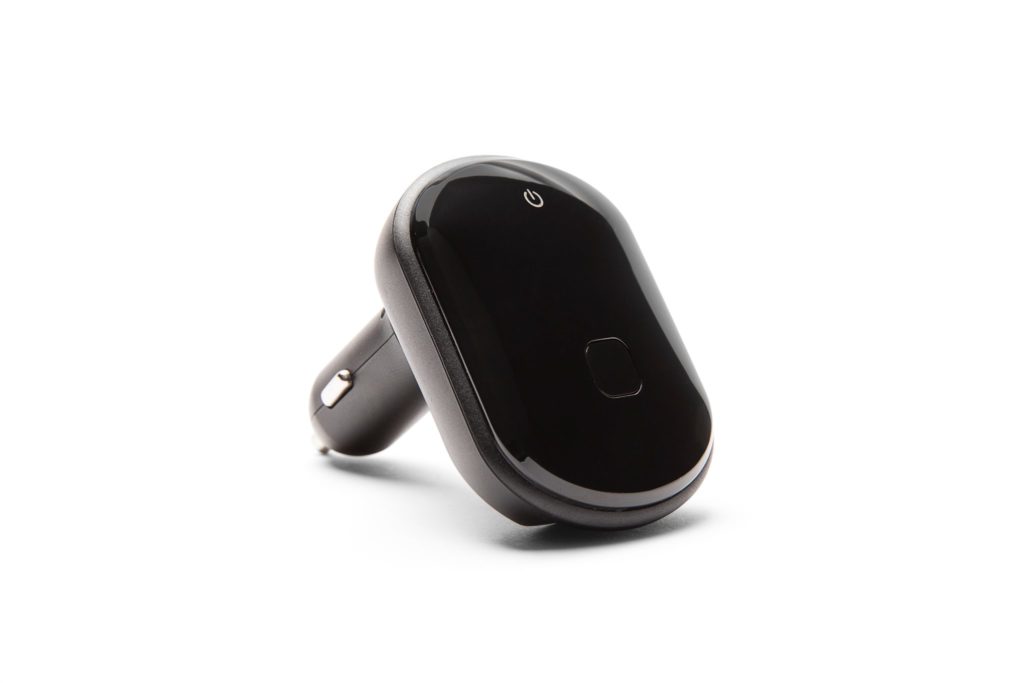
No wiring, no workshop, no waiting. Just the socket that was already there.
Most vehicle trackers cost you an installation before they cost you anything else — a harness, a technician, a vehicle off the road for an afternoon. RoadTrack Charger removes that entirely. It uses the 12 V accessory socket every vehicle already has, reports on distance travelled rather than on a clock, and reports into the same GPX platform as every other device in the range.
The device in action
Install · Reporting · Listen inEverything a plug-in tracker should be. Starting with actually being useful in the socket.
Tracking in seconds
Plug it into the 12 V charging port and the vehicle is on the map almost immediately. No harness to run, no panel to remove, no technician to book.
Powered by the vehicle
All of its power comes from the accessory socket, so there is no battery to charge, no cell to replace and no maintenance schedule to keep track of.
Distance-based reporting
A fresh GPS fix every 400 metres travelled, so the trail follows the actual route rather than a timer — and stops burning reports while the vehicle sits.
A charger that really charges
Working USB-A and USB-C outputs will charge nearly anything, from a phone to a set of headphones. It is useful, so it stays plugged in.
Live audio monitoring
Call the device's phone number and listen to what is happening inside the vehicle in real time — valuable in recovery and lender scenarios.
Hides in plain sight
It reads as an ordinary phone charger because it is one. Nothing about it announces that the vehicle is being tracked.
Moves between vehicles
Unplug, plug in elsewhere, carry on. Fleets rotating loaner, rental or auction stock can follow the vehicle that matters this week.
Geofence alerts
Draw a lot, a jobsite or a customer location in the GPX platform and get alerted when the vehicle enters or leaves it — no extra hardware required.
RoadTrack Charger, by the numbers.
| Power | Vehicle 12 V charging (accessory) port — no internal battery, no charging and nothing to replace |
|---|---|
| Installation | Plug-in — no harness, tools, installer or vehicle downtime · moves between vehicles in seconds |
| Reporting | Every 400 m while the vehicle is in motion — distance-based rather than on a timer |
| Charging output | USB-A (classic) and USB-C — charges phones, headphones and most USB devices |
| Audio | Live audio monitoring — call the device to listen to the vehicle in real time |
| Positioning | GPS, reported over the cellular network to the GPX platform |
| Alerts | Geofence entry and exit alerts, configured in the GPX platform |
| Designed for | Any vehicle with a 12 V accessory socket — dealership and BHPH stock, loaners, rentals and recovery work |
Need the full RoadTrack Charger spec sheet?
Dimensions, LTE bands, carrier support and certification detail are not published online for this device — tell us what your ops or compliance team needs and we will send the sheet over.
Request the spec sheet →Choose it when speed of deployment beats permanence. When it does not, wire something in.
RoadTrack Charger is the fastest way to put a vehicle on the map, and the easiest to move to the next one. The trade is that anything plugged into a socket can be unplugged — so if the vehicle is likely to be tampered with, or has no accessory socket at all, one of its siblings is the better answer. They all report into the same GPX platform.
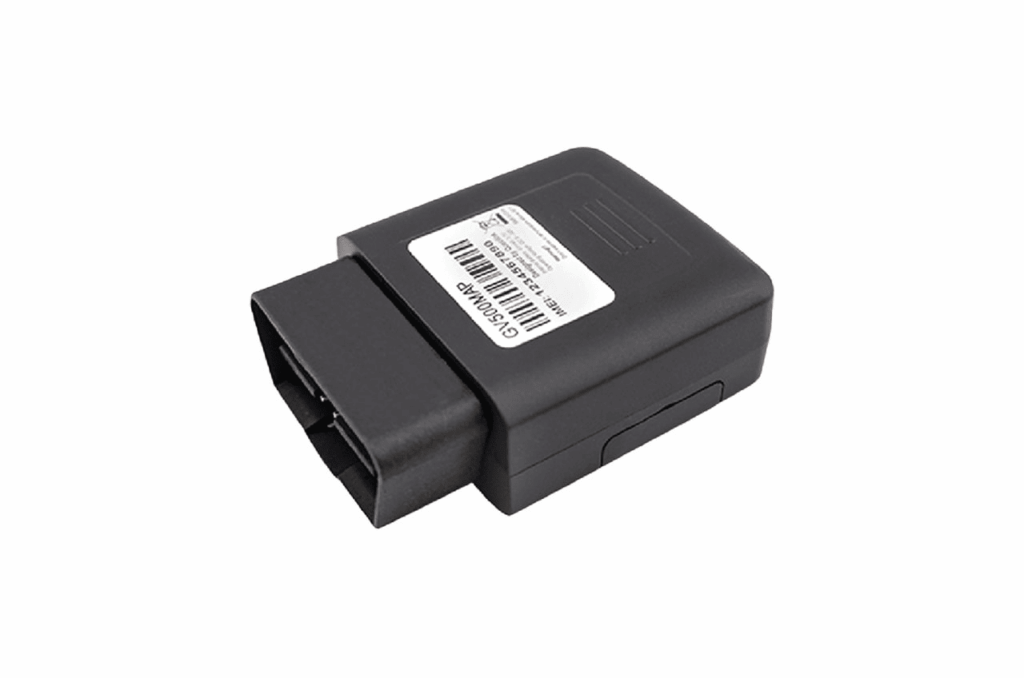
AssetTrack OBD
Seats in the OBD-II port instead of the accessory socket — just as fast to fit, tucked below the dash, and it can read vehicle data the charger cannot.
AssetTrack OBD details →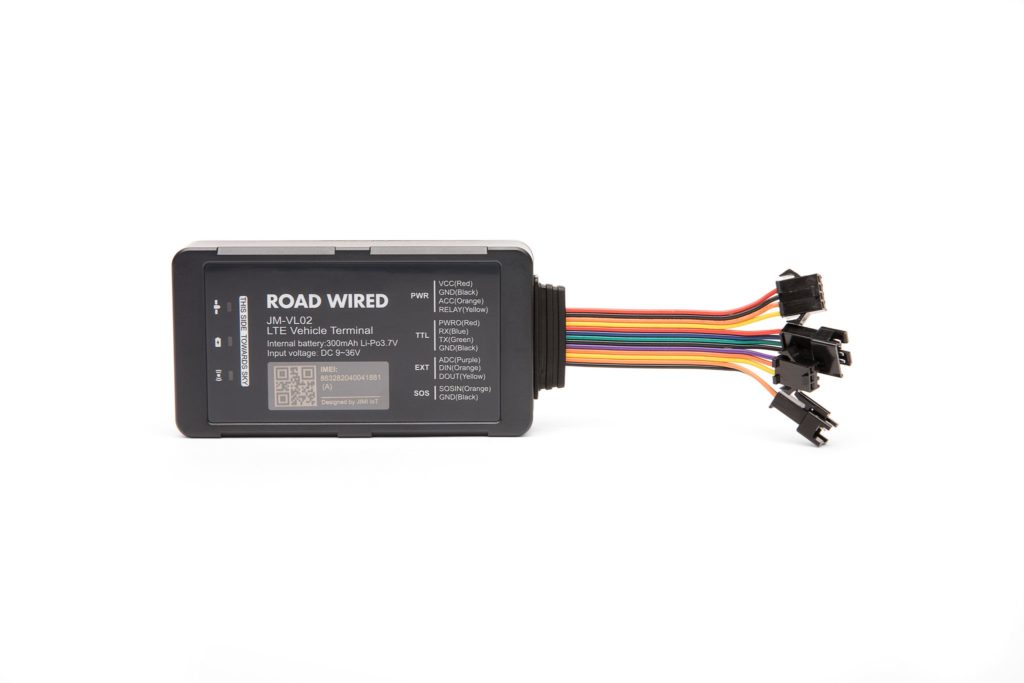
RoadTrack Wired
Hidden behind the dash on a two-wire harness, with a 300 mAh backup battery that keeps reporting for up to 24 hours if someone cuts the power.
RoadTrack Wired details →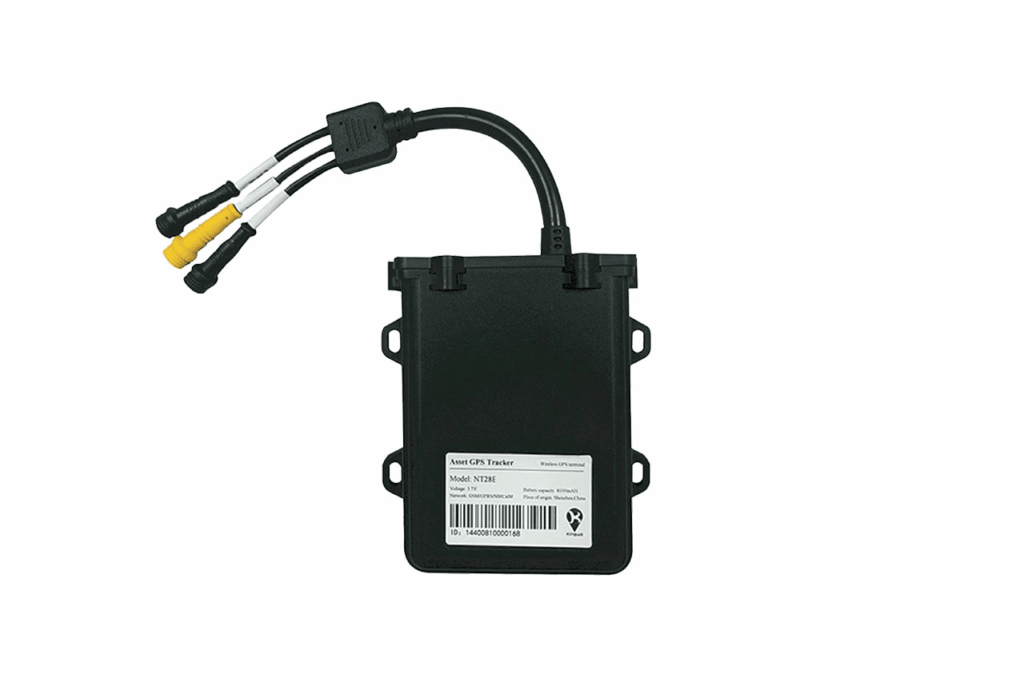
BLE RoadWired
Hardwired GPS plus a mobile Bluetooth gateway, so the vehicle reports its own location and the location of the tagged tools and containers around it.
BLE RoadWired details →The plug-in tracker, answered.
How is the device powered?
It draws power directly from the vehicle, through the 12 V charging (accessory) port it plugs into. There is no battery to charge and nothing to replace — as long as the socket is live, the tracker is running.
How frequently does the device report?
The RoadTrack Charger reports every 400 metres while the vehicle is in motion. Reporting on distance rather than on a timer means the location trail follows the route the vehicle actually drove, and it does not pile up reports while the vehicle is parked.
How do I install the device?
You plug it in. It seats in the vehicle's 12 V charging port and begins tracking within seconds — no harness, no tools, no installer and no appointment. Moving it to another vehicle takes about as long as unplugging it.
How does the live listening feature work?
You call the device's phone number and listen to what is happening inside the vehicle in real time. It is most often used in recovery and lender scenarios where knowing the situation around the vehicle matters as much as knowing its location.
Do the USB ports actually charge devices?
Yes. It works as a normal charger with both USB-A and USB-C outputs, so it will charge nearly anything from a phone to a set of headphones. That is the point of the design — it earns its place in the socket, so nobody has a reason to unplug it.
What happens if someone unplugs it?
Because all of its power comes from the socket, unplugging it stops the reporting. That is the trade you make for an install this simple. If you need a tracker that survives tampering, RoadTrack Wired hides behind the dash with a 24-hour backup battery, and AssetTrack runs for years with no vehicle power at all.
Can I move it between vehicles?
Easily — that is one of its real advantages. Unplug it from one vehicle, plug it into the next, and it carries on reporting. Fleets that rotate loaner, rental or auction stock tend to value that more than a permanent install.
Is it legal to use the audio monitoring feature?
That depends on where you are and who is in the vehicle. Laws on recording and listening to conversations vary by state and by country, and several jurisdictions require the consent of everyone involved. Check the rules that apply to you, and take your own legal advice before enabling the feature on vehicles other people drive.
Plug it in. Watch it work.
Tell us what you run and we'll size the deployment — vehicles on the map within days, not quarters.