Fleet Management: Benefits, Methods, and Technologies

Fleet management is what keeps vehicles, drivers, and assets productive instead of turning into unpredictable cost and chaos. It’s the discipline of knowing what you own, where it is, how it’s being used, and what it will take to keep it running safely and efficiently. Even in smaller fleets, minor inefficiencies in routing, maintenance, fuel, and compliance compound fast into major margin leaks. Modern fleet programs use telematics and operational workflows to turn day-to-day movement into data you can actually act on. And the pressures hitting transportation in 2026 make that level of control non-negotiable.
The transportation sector faces significant pressure. Fuel prices have increased 35 percent due to global tensions, and insurance premiums continue to rise as vehicle theft rates hit record highs. Additionally, the driver shortage persists, leaving 80,000 positions open across the country. In this environment, maintaining strict control over your assets is no longer optional for business survival.
Successful logistics operations rely on precise vehicle management to turn high costs into profit. Whether you manage five delivery vans or a national trucking fleet, modern tools provide the data necessary to control operations. This guide provides the technical strategies and methods required to improve your competitive position in the market.
Understanding the Core of Fleet Management
Fleet management has changed from simple vehicle tracking into a technical discipline requiring specific data expertise. Organizations with structured processes report operating costs 23 percent lower than those using ad-hoc methods. These fundamental concepts drive successful operations.
What is Fleet Management?
Fleet management is the systematic process of overseeing and optimizing every aspect of vehicle operations from acquisition to disposal. It includes vehicle tracking, maintenance, driver safety, regulatory compliance, and operational efficiency. This ensures your assets are used effectively while minimizing costs and risks.
Modern systems integrate technical telematics, real-time monitoring, and optimization algorithms to balance priorities: maximizing vehicle use while controlling costs, ensuring driver safety while meeting schedules, and maintaining compliance while improving efficiency. The fleet manager acts as the central orchestrator, using technical knowledge and analytical skills to ensure vehicles, drivers, and support systems work together.
Why Effective Fleet Management is Important for Your Business
The stakes are high for modern operators. With fuel, maintenance, insurance, and labor all experiencing double-digit inflation, fleet management has become a strategic requirement. Fleet vehicles often represent the second largest expense for businesses after personnel costs.
Companies with inefficient operations waste an average of 27 percent of their transportation budget through poor routing, excessive idling, and preventable maintenance issues. Effective management protects the bottom line and creates a competitive advantage through better customer service and improved safety records.
The Business Impact of Strategic Fleet Management
Organizations using structured programs report an ROI averaging 3-5x their investment within the first year. The advantages impact every part of the operation.
- Reduce fuel consumption (10-30% reductions): By using route optimization and monitoring excessive idling, businesses achieve significant reductions in their largest operating expense.
- Minimize maintenance expenses (up to 25% savings): Proactive management uses preventative maintenance schedules triggered by real-time vehicle data. This allows for service before minor issues become expensive repairs.
- Eliminate waste through optimized resource use: GPS tracking and geofencing provide visibility into vehicle location, which prevents unauthorized use and excessive mileage.
Key Areas of Fleet Management
Excellence requires mastery across multiple domains. Research indicates that the most effective operations maintain focus across six critical areas.
Vehicle Lifecycle Management: From Acquisition to Disposal
Management begins with acquisition: selecting vehicles with the right specifications, negotiating terms, and planning for replacement. Data-driven managers use utilization statistics and total cost of ownership (TCO) analysis to make informed decisions that align with budgets. Effective lifecycle management can extend vehicle lifespans by 15-20 percent.
Fuel Management: Strategies for Optimization and Theft Prevention
With fuel representing 30-40 percent of operating costs, management is critical. GPS systems provide detailed monitoring to identify wasteful practices like excessive idling. Fuel theft costs businesses billions annually: technical tracking can detect suspicious consumption patterns and unauthorized fueling locations.
Driver Management: Safety, Compliance, and Performance
Drivers are both a major asset and a risk factor. Management includes:
- Performance monitoring via telematics.
- Safety training based on behavior data.
- Compliance tracking for hours of service according to FMCSA standards.
- Recognition programs for efficient driving.
Maintenance Management: Keeping Your Fleet Running Smoothly
Proactive maintenance reduces vehicle downtime by 25-30 percent. GPS-enabled tracking monitors mileage and engine hours to trigger service before breakdowns occur. Transitioning from reactive to preventative maintenance reduces average repair costs by 15-20 percent.
Route Planning and Optimization: Getting There Efficiently
Advanced optimization can reduce total miles driven by 10-30 percent. Modern systems factor in traffic patterns, construction, and weather to identify the most efficient routes. One delivery company reduced fuel costs by $600,000 annually after implementing optimization tools.
Meeting Legal Requirements
The regulatory environment is complex. Requirements include driver qualifications, hours of service, and emissions standards. Automated tracking ensures accurate documentation and flags violations before they lead to penalties. Non-compliance costs can exceed $10,000 per violation and lead to a loss of operating authority.
Using Technology for Smarter Fleet Management
Technology use is the main differentiator between high-performing operations and industry laggards. Companies using advanced tools report 37 percent higher efficiency.
The Power of Telematics: Connecting Your Fleet
Telematics provides visibility into vehicle operations by capturing over 70 data points per second from engine diagnostics and driver behaviors. This data creates actionable intelligence for maintenance, safety, and strategic planning.
GPS Trackers and Real-Time Monitoring: Seeing Your Assets in Action
GPS technology has evolved into a management platform. Modern systems provide:
- Second-by-second location updates.
- Engine diagnostics and performance monitoring.
- Behavior analysis for acceleration and braking.
- Geofencing with custom alerts.
Fleet Management Software: Your Central Command Center
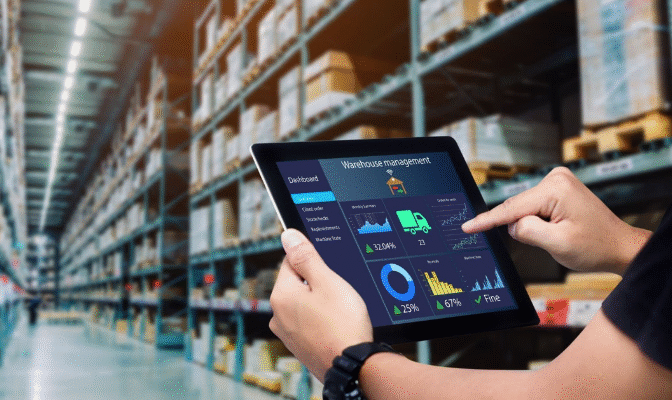
Software integrates all aspects of operations into one platform, centralizing tracking, maintenance history, driver metrics, and financial reporting. This eliminates information silos and provides full control over the fleet.
Overcoming Common Fleet Management Challenges
- Tackling High Operating Costs: Use GPS for idle monitoring to reduce fuel use by 10-30 percent.
- Improving Driver Behavior: Use telematics for continuous monitoring to reduce accidents by 20-40 percent.
- Staying Ahead of Regulations: Use automated systems to ensure accurate documentation.
- Managing Vehicle Downtime: Use predictive maintenance to reduce downtime by 25-30 percent.
- Ensuring Data Security: Use platforms with encryption and regular audits to protect sensitive data.
Best Practices for Optimizing Your Fleet Management Strategy
Develop a Clear Fleet Management Policy
Policies should address vehicle acquisition, authorized use guidelines, safety expectations, and fuel efficiency requirements. This creates the foundation for consistent operations.
Implement Proactive Maintenance Schedules
Preventative maintenance reduces costs by 12-18 percent compared to reactive methods. Programs should be based on actual usage patterns rather than calendar intervals.
Utilize Telematics and GPS Tracking Effectively
Use these platforms for more than location. Use them to improve driver behavior, optimize dispatching, and identify theft.
Regularly Analyze Fleet Data and Performance
Set up weekly reviews of key performance indicators (KPIs) and monthly deep-dives into cost trends. This ensures data leads to continuous improvement.
Invest in Driver Training and Safety Programs
Technology alone cannot optimize operations. Use behavior data to identify specific training needs and create a safety-focused culture.
The Next Phase of Fleet Management: Visibility, Control, and Resilience
Ongoing disruptions, rising costs, and global tensions have made transportation operations far less predictable. Shifting regulations, fuel price volatility, labor shortages, and supply chain uncertainty are forcing businesses to rethink how they manage fleets. In this environment, reactive decision-making is no longer enough. Organizations need better visibility, stronger controls, and data-driven insights to stay resilient and competitive.
Successful companies now treat their fleets as strategic assets, not just operating expenses. By using GPS tracking, telematics, and connected systems, prioritizing proactive maintenance, and investing in driver performance, businesses can reduce risk and improve reliability. Long-term stability comes from combining the right technology with strong operational leadership and well-trained teams.
Frequently Asked Questions (FAQs)
What is telematics in fleet management?
Telematics combines GPS with onboard diagnostics to provide real-time data on vehicle location, driver behavior, and engine performance. This intelligence turns reactive management into proactive control, helping companies reach ROI within months.
How can fleet management software save money?
Software reduces fuel costs by 10-30 percent through idle reduction and route optimization. It also cuts maintenance expenses by 25 percent via predictive scheduling and reduces accidents through driver monitoring.
What are the key regulations fleet managers need to follow?
Key requirements include Hours of Service limitations, Electronic Logging Device (ELD) mandates, and vehicle inspection protocols. Automated tracking systems help maintain accurate documentation to avoid fines that reach $10,000 per violation.
How does GPS tracking improve fleet safety?
GPS tracking monitors speed, harsh braking, and cornering in real-time. This allows for immediate coaching, leading to accident reductions of 20-40 percent and insurance premium decreases of 10-15 percent.
Why is proactive maintenance better than reactive maintenance?
Proactive maintenance uses vehicle data to schedule service before a breakdown occurs, which reduces repair costs by 15-20 percent. Reactive maintenance often results in unexpected downtime, missed deliveries, and expensive emergency repairs.