Demurrage vs. Detention Charges: Save Your Bottom Line


If you’ve ever opened an ocean freight invoice and felt like it was written in a language designed to punish you, you’re not alone — demurrage and detention charges are two of the fastest ways “small delays” turn into real cash burn. The tricky part is that they’re triggered in two different places: demurrage starts when a loaded container sits too long inside the terminal after free time expires, and detention kicks in when the clock keeps running outside the port while you’re unloading and returning the equipment. In this guide, I’ll break down demurrage vs. detention charges in plain English, show why they happen (customs holds, port congestion, missed appointments, warehouse bottlenecks), and share the most practical ways I’ve seen teams reduce them — including tighter pre-arrival planning and real-time visibility into dwell time so you can act before “free days” become late fees.
Shipping delays can drain capital through hidden penalties, but implementing a rigorous container management strategy prevents these fees from eroding your margins. Global logistics is a high-stakes game. Every second counts, and every second late costs. If you have ever felt like your shipping invoices were written in a foreign language designed to drain your bank account, you are not alone. According to the 2024/2025 Demurrage and Detention Benchmark Report, while average global fees have dropped about 25% from their pandemic peaks, they remain a massive hidden expense that can sink a small business’s margins.
At major hubs like the Port of New York or Los Angeles, demurrage and detention charges can still rack up to over $2,500 per container after just two weeks of delays. These charges function like the library late fees of the shipping world. Instead of a few cents for a book, you pay hundreds of dollars a day for a shipping container. To keep your supply chain moving without bleeding cash, you must understand the demurrage vs detention charges breakdown.
What is Demurrage? (The Port “Parking Ticket”)
Demurrage is the fee charged when your loaded shipping container sits inside the port terminal for too long. When your cargo arrives at the destination, the ocean carrier gives you a set number of free days, usually 3 to 7 days, to clear the goods through customs clearance, pay your duties, and get a truck to pull that container out of the gate. This window of time is often referred to in contracts as laytime.
If your container is still sitting on the terminal floor after those free days expire, the carrier hits you with demurrage charges.
A Quick Demurrage Charge Example
To see how fast these costs spiral, look at a high-level scenario. Take the following demurrage charge example:
Imagine the demurrage for a large, specialized shipment is set at $60,000 PDPR (Per Day Pro Rata). If the shipment exceeds the allowable laytime by just two and a half days, the math gets ugly very fast:
Total Demurrage Charges = $60,000 x 2.5 days = $150,000.
If a shipment accrues these fees, the importer will likely need to pay them in full before they are allowed to pick up the goods. Because of this, delays in dealing with late fees can compound and cause additional delays further downstream. If you do not address them immediately, those downstream delays add further costs on top of the initial shipping demurrage charges.
What is Detention? (The Equipment “Late Fee”)
Once your container leaves the port on the back of a truck, the clock does not stop. It switches to a different timer. This is where detention, also known as per diem, kicks in.
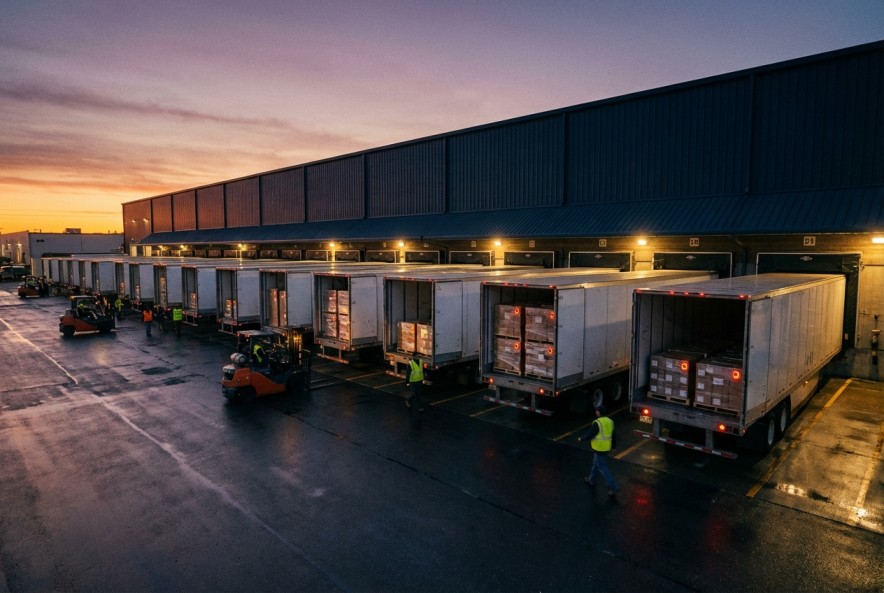
Detention charges are assessed on containers outside a port. Once you pick up the container, the carrier expects you to take it to your warehouse, unload it, and return the empty container to the designated container depot or port within a specific timeframe. If you keep the container longer than the agreed-upon free time, even if it is sitting in your own warehouse yard, you will be charged a daily fee for detaining the carrier’s equipment.
Common Confusion: Driver Detention vs. Container Detention
Do not mix these up. Driver detention is what you pay a trucking company when their driver is stuck waiting at your warehouse. Container detention is what you pay the shipping line for holding onto their equipment. For more details on maritime regulations, you can visit the Federal Maritime Commission at https://www.fmc.gov.
Demurrage vs. Detention: A Quick Reference
| Feature | Demurrage | Detention |
|---|---|---|
| Location | Inside the Port/Terminal | Outside the Port |
| Charged For | Using port space too long | Using the container too long |
| Trigger | Exceeding terminal free days | Exceeding equipment free time |
| Paid To | The Ocean Carrier | The Ocean Carrier |
Why Do These Charges Happen? (The Usual Suspects)
The logistics world is often messy. These are the most common reasons shippers incur these fees:
- Customs Delays: This is a primary driver of costs. If your bill of lading has a typo or you used the wrong HS code, customs might hold your container for an inspection. While they examine your goods, the demurrage clock is ticking.
- Missing Paperwork: If the commercial invoice or packing list is not ready when the ship docks, you cannot clear the cargo.
- Port Congestion: Sometimes the port is so busy that your truck driver cannot get an appointment to pick up the container before the free time runs out.
- Warehouse Issues: If your warehouse is full or short-staffed, the container might sit on a trailer for days waiting to be unloaded, leading to massive detention fees.
How to Avoid the “Late Fee” Nightmare
You are not helpless. Most of these charges are preventable with supply chain visibility and better planning.
- Pre-Clear Your Cargo: Do not wait for the ship to dock to start your paperwork. Work with your customs broker to submit everything as early as possible. Most ports allow for “Pre-Arrival” clearance, so your container can be ready to roll the moment it hits the pier.
- Negotiate More Free Time: If you are a high-volume shipper, do not just accept the standard 3 or 5 days. You can often negotiate extended free time in your service contract. Asking for 10 or 14 days of combined demurrage and detention provides an essential safety net.
- Use SOC Containers (Shipper-Owned Containers): One of the best ways to bypass detention charges entirely is to use SOC containers. Since you own or lease the container independently, you are not using the carrier’s equipment. This means you do not owe the carrier for the time the container spends outside the port.
- Track Your Dwell Time: You cannot manage what you cannot see. Use freight tracking software or a real-time visibility platform to monitor dwell time. These tools send alerts when a container approaches its last free day, giving you a chance to prioritize that specific pickup.
- Have a Backup Trucking Plan: Trucking capacity can disappear overnight. If your regular drayage provider is overbooked, have a backup company ready to go so your container does not sit idle at the terminal.
Container Management = Necessary Evil
Demurrage and detention act as critical mechanisms to keep the global supply chain moving. While they function as a penalty, they are effectively a tool for container management that forces efficiency in the field. By understanding the difference, demurrage for the port space and detention for the equipment, and staying on top of your customs clearance and trucking schedules, you protect your bottom line. Successful firms adopt a proactive drayage strategy that treats “free time” as a hard deadline rather than a flexible window, ensuring field operations align with corporate financial objectives. This rigorous approach prevents minor logistical bottlenecks from escalating into significant financial liabilities.
Frequently Asked Questions (FAQs)
Are demurrage and detention charges tax-deductible?
Demurrage and detention fees are generally treated as ordinary business expenses and may be deductible as part of cost of goods sold or logistics operating expenses. To qualify, these costs must be properly documented and recorded in line with standard accounting and tax compliance requirements.
Can a freight forwarder be held liable for these fees?
Liability usually falls on the importer of record unless the delay is directly caused by the freight forwarder’s negligence, such as late or incorrect documentation. Most contracts place responsibility for carrier-imposed fees on the shipper or consignee unless professional error can be proven.
How do you dispute an unfair demurrage charge?
Start by collecting supporting evidence, including terminal gate logs, appointment records, and relevant email or system communications. Carriers typically require a formal dispute to be submitted within a defined timeframe, often within 30 days of the invoice date, along with proof of factors like terminal closures or equipment shortages.
Does cargo insurance cover demurrage or detention?
Most standard cargo insurance policies exclude demurrage and detention since they are considered financial penalties rather than physical loss or damage. Some policies offer delay-related endorsements, but these are uncommon and usually come with higher costs and strict limitations.
What is the difference between per diem and detention?
While the terms are often used interchangeably, per diem generally refers to a daily charge for using a carrier’s container beyond free time, either inside or outside the port. Detention specifically applies to the time a container is held by the shipper outside the terminal beyond the allowed free period.