How to Reduce Dwell Time and Drive Supply Chain Efficiency in 2026


Dwell time is one of the most expensive “silent killers” in logistics—because every hour a trailer, container, or truck sits idle is time (and money) you never get back. In 2026, reducing dwell isn’t just about working faster; it’s about using better visibility, tighter scheduling, and cleaner handoffs so assets keep moving and docks don’t turn into bottlenecks. This post breaks down what dwell time really is, why demurrage and detention fees add up so quickly, and the most practical strategies to cut delays across yards, warehouses, and ports. We’ll cover how real-time location data, geofencing alerts, and predictive ETAs help teams shift from reactive firefighting to proactive coordination. If your operation is feeling “stuck,” these are the levers that create immediate throughput and measurable efficiency gains.
To keep a supply chain running smoothly, you must look at more than just moving parts from A to B. You must look at the stops: specifically, the time wasted when cargo is not moving. This is known as dwell time, and it remains one of the most expensive leaks in any logistics budget.
Recent data shows just how high the stakes have become. According to the World Bank’s Logistics Performance Index, the average port dwell time for exports can range from five days in efficient hubs to over 20 days in congested regions. Furthermore, recent industry updates highlight that businesses utilizing real-time data are significantly better at avoiding demurrage and detention costs, which have spiked as labor and equipment costs rose globally.
If you are not actively managing your dwell time logistics, you are essentially leaving money on the table, or more accurately, on the dock. In this report, we break down how to slash these delays and turn your supply chain into a high-speed engine.
What Exactly is Dwell Time (and Why Does it Hurt?)
Dwell time is simply the amount of time a vehicle like a truck, ship, or train sits idle at a facility waiting to be loaded, unloaded, or processed. While it may seem like a small detail, it’s actually an important signal of how efficiently operations are running and where delays may be happening.
When a truck sits idle at a loading dock, it is not just wasting fuel. It is tying up carrier capacity, racking up fees, and throwing off every subsequent delivery in that driver’s schedule. For shippers, this leads to inventory management problems. If your goods are stuck in a dwell hole, you cannot sell them, and your customer satisfaction scores will drop when next-day delivery turns into next-week-maybe.
The Heavy Price of Doing Nothing
The financial fallout of high container dwell time is massive. Beyond the obvious fuel waste, you face:
- Demurrage Charges: Fees paid for using port space beyond the allotted free time.
- Detention Fees: Costs incurred when you keep a carrier’s equipment, like containers or trailers, longer than agreed upon.
- Labor Costs: Paying warehouse staff to wait for a late truck, or worse, paying overtime to clear a backlog once the dam breaks.
To fix this, we need to move away from reactive firefighting and toward proactive supply chain management.
Strategy 1: Embrace Real-Time Visibility
You cannot fix what you cannot see. One of the biggest causes of vessel waiting time and truck queues is a simple lack of communication. Traditional methods, such as phone calls and spreadsheets, are too slow for modern logistics.
By implementing visibility technology, you gain a bird’s-eye view of your entire network. This is where a platform like GPX changes the game. Instead of wondering where your trailers are, GPX provides real-time location intelligence that lets you track assets from the factory floor to the final destination.
When you have end-to-end visibility, you can track shipment status in real-time. If a truck is delayed by weather or traffic, your transportation management system (TMS) can automatically alert the warehouse. Instead of a dock sitting empty while other trucks wait in a line down the street, you can adjust your dock scheduling on the fly.
Strategy 2: Optimize Yard and Asset Management
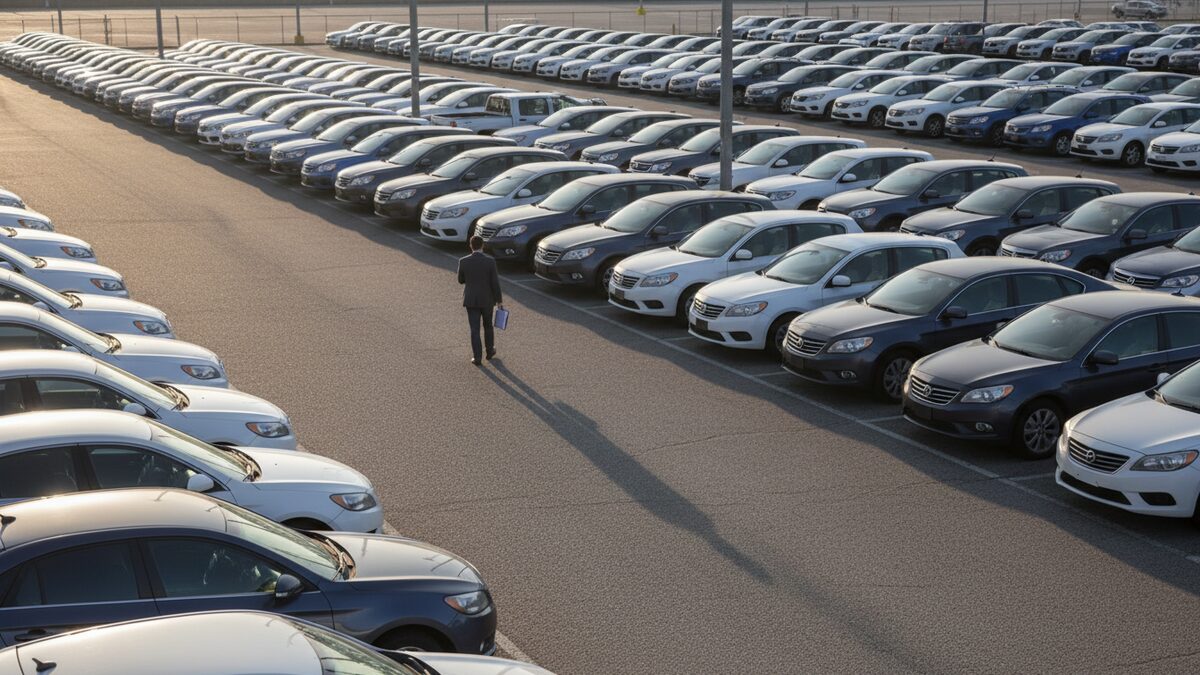
The yard is often where efficiency goes to die. If your yard management is manual, you are asking for trouble. High warehouse dwell time often stems from workers simply not being able to find a specific trailer in a crowded lot.
To fix this, consider these moves:
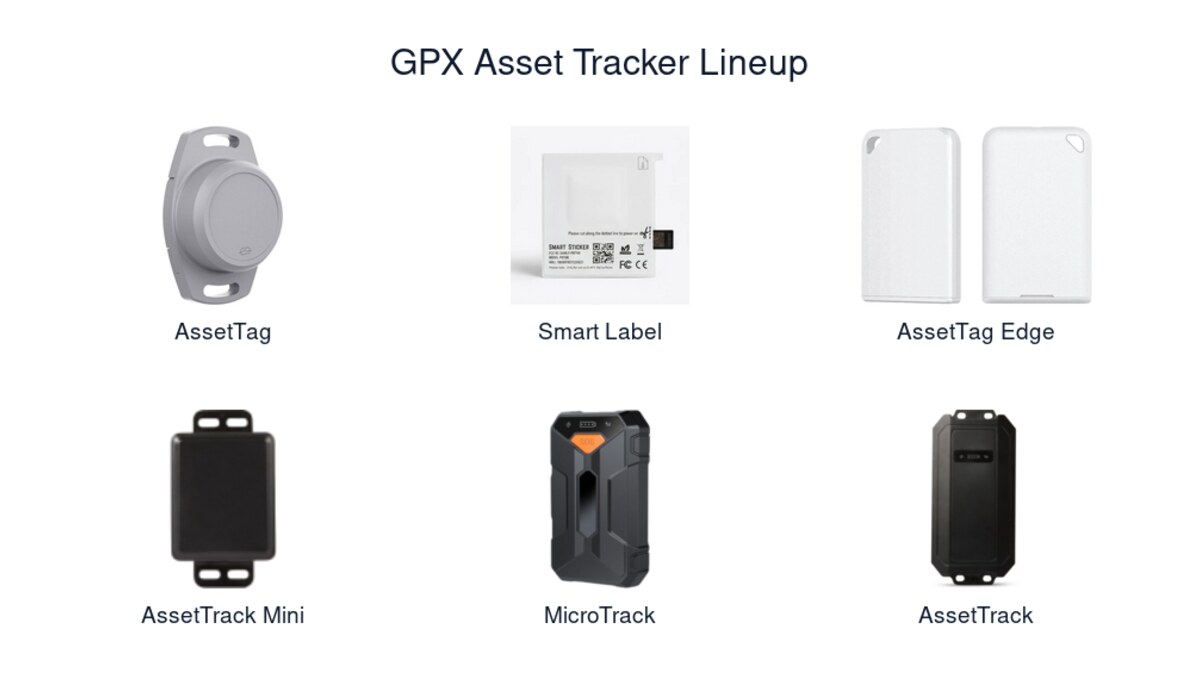
- Automated Asset Tracking: Using GPX’s battery-powered sensors on non-powered assets, like trailers and containers, ensures you never lose a shipment in your own yard. This drastically reduces the turnaround time for drivers.
- Geofencing and Automated Alerts: Set up digital boundaries. When a trailer enters or leaves a specific zone, your system should automatically trigger a status update. This eliminates the 15-minute paperwork shuffle at the gate that causes mile-long queues.
- Cross-Docking: Whenever possible, move goods directly from incoming to outgoing trailers with little to no storage time. This is the ultimate way to keep inventory levels lean and moving.
Strategy 3: Apply AI and Predictive Analytics
Artificial intelligence has moved from a cool feature to a necessity for logistics coordination. We are now in the era of predictive analytics, where software does not just tell you what is happening, but what will happen.
Tools like GPX’s Scout, an AI-powered supply chain analyst, can look at your historical data to identify bottlenecks you did not know existed. For example, you might find that certain carriers consistently experience higher dwell times on Tuesday mornings. With that insight, you can proactively shift your appointment management to more efficient windows.
Predictive ETAs also allow you to communicate better with customers. If the AI detects a delay at a port of entry, you can manage expectations immediately, protecting your brand reputation and customer experience.
Strategy 4: Strengthening Carrier Relationships
It is easy to view carriers as just a service, but in a tight market, you want to be a Shipper of Choice. Carriers talk. If your facility has a reputation for six-hour truck dwell times, they will either stop bidding on your loads or bake annoyance fees into their rates.
Improve carrier performance by:
- Data Sharing: Give your carriers access to your visibility portal. When they can see the same real-time data you see, they can plan their routes more effectively.
- Streamlined Check-ins: Use electronic Bill of Lading (eBOL) to speed up the process.
- Performance Monitoring: Use KPI reports to have honest, data-driven conversations with your carriers. If they are consistently late, you have the proof to demand better. If you are the one holding them up, you have the data to fix your internal loading dock processes.
Strategic Implementation and Field Adoption
Operational leaders must recognize that dwell time is a manageable variable, not a fixed cost. In the current logistics market, adoption of location intelligence and IoT sensors is the primary differentiator between profitable fleets and those bogged down by detention fees.
By integrating GPX’s real-time data into your daily strategy, you transform your yard from a bottleneck into a high-velocity transit point. Field success now depends on data transparency. When your trailers are tracked and your docks are synchronized, supply chain efficiency becomes a repeatable business outcome.
Frequently Asked Questions (FAQs)
What is the primary difference between demurrage and detention?
Demurrage refers to fees charged by a terminal for containers that stay at the port longer than the allotted free time. Detention refers to fees charged by the carrier for the use of equipment, such as the container or trailer, beyond the agreed-upon time outside of the terminal.
How does real-time visibility reduce truck dwell time?
Real-time visibility provides precise location data and updated ETAs. This allows warehouse managers to adjust dock schedules dynamically, ensuring that staff and equipment are ready exactly when a truck arrives, which eliminates wait times caused by early or late arrivals.
What are the key KPIs for measuring warehouse dwell time?
Key metrics include Average Dock-to-Stock Time, Carrier Turnaround Time, and Yard Dwell Time. These KPIs help managers identify if delays are caused by slow loading processes, gate congestion, or inefficient yard organization.
How do automated alerts improve dock scheduling?
Automated alerts, triggered by geofencing, notify the warehouse when a vehicle is within a specific radius. This allows the team to stage shipments in advance and clear the dock, reducing the driver’s check-in time and the overall duration of the stop.
Why is being a Shipper of Choice important for logistics efficiency?
Being a Shipper of Choice means carriers prefer to work with you because of your efficient processes. This status ensures better rate stability, higher carrier priority during peak seasons, and more reliable capacity, as drivers avoid facilities with high dwell times.