What is Real-Time Visibility? Business Benefits and Proven Strategies to Achieve It

If you are reading this, you likely know the feeling: You have orders to fill, but you are not sure if the raw materials will arrive on time. Your customer is asking for a status update, and you are waiting for a supplier to email you back.
In the past, supply chains operated in the dark. You knew when an order was placed and when it was delivered, but everything in between was a guess.
Today, real-time transportation visibility is a necessity. It is not just about tracking a truck; it is about connecting the entire journey—from suppliers and manufacturers to warehouses and the end customer. It turns a chaotic web of phone calls and spreadsheets into a clear, single view of your business.
What Is Real-Time Visibility?
Real-time visibility refers to the ability to track and trace the movement of goods across the entire supply chain as it happens.
It is not limited to just “where is the truck?” It answers broader questions:
- Has the supplier shipped the raw materials?
- Is the container stuck at the port?
- Is the temperature in the trailer safe for the product?
- Will the package arrive at the customer’s door on time?
It connects every node, suppliers, manufacturers, hubs, and customers, into one live digital picture.
How It Works
Real-time visibility works by gathering data from many different sources and putting it onto one screen. It typically follows these three steps:
- Data Collection: Information is pulled from various tools. This can include GPS trackers on trucks, API connections with carriers, status updates from shipping lines, and even integration with Warehouse Management Systems (WMS).
- Standardization: The software takes this messy data, different formats from different carriers, and cleans it up so it all looks the same.
- Visualization: The data is displayed on a dashboard. Instead of calling a driver or checking three different carrier websites, you log into one platform to see everything.
Where Fragmented Systems Break Real-Time Visibility
While the concept is simple, making it work can be hard. Here are the four biggest hurdles companies face and how modern platforms address them:
- Data Silos and Fragmentation: Your transportation team uses one system, and your warehouse team uses another. If these systems do not talk to each other, you have gaps. How RTV Helps: It acts as a bridge, pulling data from both systems into a single “control tower” view so everyone sees the same truth.
- Carrier Onboarding and Compliance: You need your trucking partners to agree to share their data. Smaller carriers often struggle with this. How RTV Helps: Modern platforms offer simple mobile apps or “zero-integration” tools that allow even the smallest carriers to connect via smartphone without expensive hardware.
- Data Quality and Latency: If a carrier enters the wrong reference number or a GPS device stops reporting, the data you see is inaccurate. How RTV Helps: Advanced platforms use AI to “clean” the data. They can detect when a GPS signal looks wrong and filter out the noise, ensuring you only see valid updates.
- Integration Complexity: Connecting a new visibility tool to your old ERP or TMS can feel daunting. How RTV Helps: Leading providers now build pre-made “connectors” or APIs that plug into major systems like SAP, Oracle, or Microsoft Dynamics, reducing the technical work from months to weeks.
The Compliance Angle: Why It Is Not Optional
Visibility is often seen as an operational tool, but it is also a critical compliance tool.
- Proof of Delivery: When a customer claims an order never arrived, real-time data provides digital proof of exactly when and where the delivery happened.
- Regulatory Standards: For industries like food and pharmaceuticals, you must prove that goods were kept at the right temperature. Real-time logging creates an automatic audit trail for regulations like FSMA or EU standards.
- Contract Enforcement: It helps you hold partners accountable. If a carrier consistently misses delivery windows, you have the data to back up contract renegotiations or penalty claims.
- Sustainability and ESG Reporting: New laws require companies to report their carbon footprint. Real-time tracking calculates the exact route and fuel usage for every shipment, giving you precise “Scope 3” emission data for your ESG reports.
- Driver Safety (ELD Mandates): Visibility tools often connect with Electronic Logging Devices (ELDs) to ensure drivers are not exceeding their legal driving hours. This keeps your fleet compliant with federal safety laws and reduces liability risk.
The 5 Key Benefits of Real-Time Visibility in Your Supply Chain
Implementing visibility does more than just calm your nerves. It has a direct impact on your bottom line.
- Shipment Loss Prevention: By monitoring the live status of goods, you can act before a problem becomes a disaster. If a high-value shipment deviates from its assigned route or stops in an unauthorized area, the system triggers an immediate alert. This allows security teams to intervene proactively, rather than filing a police report days later.
- Theft Recovery: In the event of theft, speed is everything. Real-time GPS data provides law enforcement with the exact location and movement history of the stolen asset. This “digital witness” capability drastically increases the recovery rate of stolen trailers and cargo, potentially saving millions in insurance claims and lost product.
- Reduced Penalties (Detention & OTIF): By automatically timestamping exactly when a driver arrives and leaves a facility, you create an indisputable record of performance. This helps you fight unfair detention fees from receivers and improves your “On-Time In-Full” (OTIF) scores with major retailers, protecting your vendor status and avoiding costly chargebacks.
- Customer Satisfaction: Modern customers expect the “Amazon experience” for B2B shipments. Providing a self-service tracking link allows them to see where their order is without calling you. This can reduce “Where Is My Order?” (WISMO) support calls by up to 50%, freeing your team to focus on solving real problems instead of reading map updates.
- Optimized Inventory Levels: Uncertainty forces companies to hold extra “safety stock” just in case a shipment is late. When you trust your inbound tracking data, you know exactly when replenishment will arrive. This confidence allows you to lower safety stock levels, freeing up working capital and warehouse space while running a leaner, more efficient operation.
Proven Strategies for Achieving Real-Time Visibility
You cannot fix everything overnight. Here is a practical strategy to get started:
- Audit Your Tech: Before buying new software, look at what you already have. Do you use an ERP like SAP or a TMS like Oracle? Map out your current data flow to identify the “blind spots.” Make sure any new visibility tool you choose has pre-built connectors to integrate seamlessly with these existing systems.
- Start with Key Lanes: Do not try to track every single shipment on day one. That is a recipe for overwhelm. Start with a “Proof of Concept” (PoC) on your most critical routes, high-value loads, or with your most cooperative carriers. Proving value in one area makes it easier to get budget approval for the rest of the network.
- Onboard Your Partners: Technology is useless if your carriers refuse to use it. Communicate clearly with your trucking partners. Explain that this isn’t just about “policing” them; it benefits them too by reducing manual check-in calls and speeding up payment processing. Offer simple, “zero-integration” options like mobile apps for smaller fleets.
- Define Clear KPIs: You cannot improve what you do not measure. Set specific goals before you launch. Are you trying to reach 90% tracking consistency? Do you want to reduce detention costs by 20%? Defining these Key Performance Indicators (KPIs) early helps you measure the ROI of your visibility program and keeps your team focused on the right outcomes.
- Focus on Data Quality: Bad data is worse than no data. If a system says a truck is 5 minutes away when it is actually 5 hours away, your warehouse team will lose trust in the tool. Choose a platform that scrubs and verifies data quality, ensuring that the “dots on the map” match reality.
Real-Time Visibility Platforms: What Are They and How Do They Work?
A Real-Time Transportation Visibility Platform (RTTVP) is the software that makes this all possible. Think of it as a “Control Tower” or a universal translator for your logistics network.
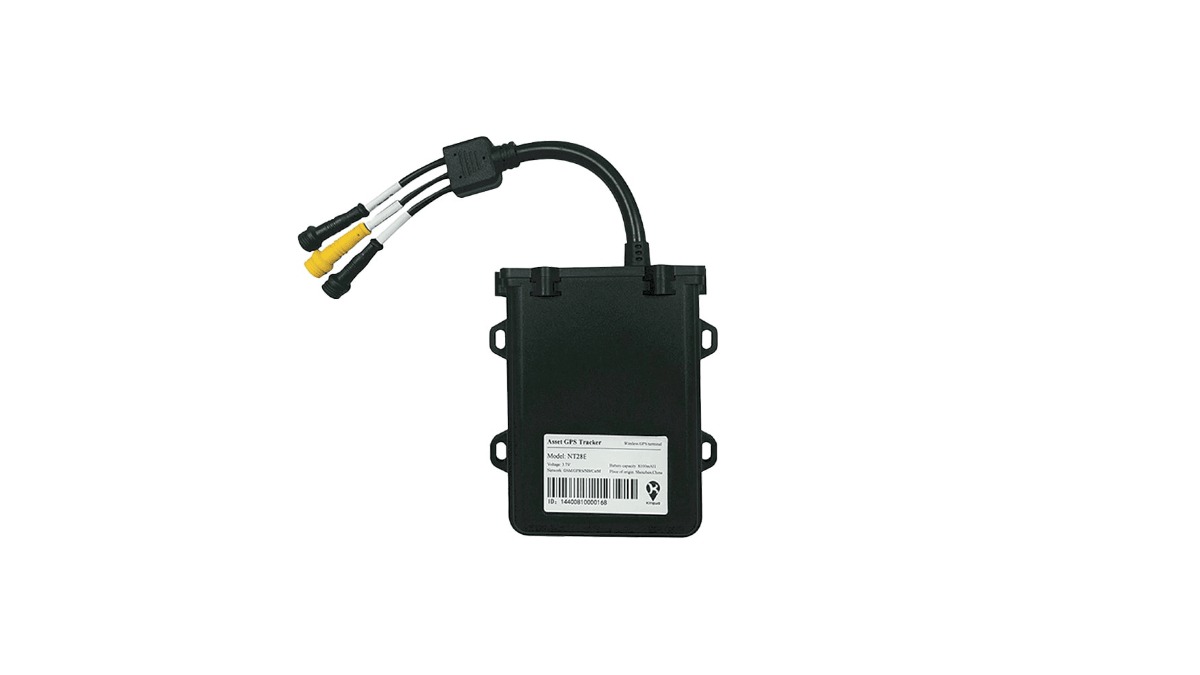
These platforms typically do not own the trucks or the GPS hardware. Instead, they act as an aggregator, connecting to thousands of different carriers, telematics devices, and shipping lines to pull data into one centralized view.
How They Work:
- The Integration Layer: This is the foundation. The platform uses APIs (digital bridges) to hook into carrier systems, ELD devices, and GPS trackers. It pulls raw data like “Truck 5 is at coordinates X,Y” or “Container A has been unloaded.”
- The Intelligence Layer: Raw data is often messy or incomplete. The platform applies machine learning algorithms to clean it. It checks traffic patterns, weather conditions, and port congestion to calculate a realistic, predictive ETA that is far more accurate than a driver’s guess.
- The User Layer: Finally, the processed information is presented on a clean dashboard. It uses “exception-based” logic, highlighting only the shipments that are late or at risk (red), so you don’t waste time watching shipments that are running on time (green).
Common Features:
- Multimodal Support: A single view for all shipment types, whether it’s an ocean container, a truckload, an LTL pallet, or an air freight parcel.
- Condition Monitoring: Integration with IoT sensors to track temperature, humidity, and shock events for sensitive cargo like pharmaceuticals or food.
- Digital Documentation: The ability to store and share digital documents like Electronic Proof of Delivery (e-POD) and Bills of Lading directly within the platform.
- Alerts & Notifications: Automated push notifications via email or SMS when something goes wrong, ensuring the right person knows about a delay immediately.
- API Integrations: The capability to push tracking data back into your own ERP or customer-facing website, so your internal teams and customers see the same updates.
How to Achieve Real-Time Visibility in Supply Chain and Logistics?
Achieving true visibility is a journey rather than a one-time purchase. It requires a shift in mindset from reactive to proactive management.
It begins with connectivity. You must digitize your processes and ensure your systems can “speak” to one another. This eliminates paper trails and manual data entry, creating a flow of information that is fast and reliable.
Next, it requires collaboration. You must build strong relationships with your suppliers and carriers. When partners trust that sharing data will lead to mutual benefits, like faster unloading times or quicker payments. They become willing participants in your visibility network.
Finally, it requires continuous optimization. Once you have the data, use it. Analyze the trends to find which lanes are always slow, which carriers are most reliable, and where your bottlenecks are. Use these insights to refine your strategy, reduce costs, and build a supply chain that is not just visible, but resilient.
Frequently Asked Questions (FAQs)
What is real-time transportation visibility (RTTV) in simple terms?
Real-time transportation visibility is the continuous tracking of goods across the supply chain using GPS, APIs, and ELD data to provide live updates. Unlike static checkpoints, it offers dynamic location data and predictive ETAs to help logistics teams proactively manage disruptions.
How does real-time visibility reduce detention and demurrage costs?
It creates an immutable digital record of exactly when a driver arrives and departs a facility (geofencing), providing proof of service. This precise documentation helps shippers successfully dispute unfair detention claims and avoid costly penalties from receivers.
Do I need to install new GPS hardware to use a visibility platform?
Not necessarily; modern platforms are “hardware agnostic” and can aggregate data from existing ELDs, carrier TMS systems, or driver smartphones. This allows for rapid onboarding of carriers without the capital expense of installing new proprietary devices on every vehicle.
What is the difference between “milestone tracking” and “real-time visibility”?
Milestone tracking only updates you when a scan happens (like “departed facility”), often leaving long gaps of silence. Real-time visibility provides a continuous stream of location and condition data, allowing you to see exactly where the shipment is between those milestones.
How does supply chain visibility support sustainability and ESG goals?
Visibility tools calculate the precise route taken and fuel consumed for every shipment, providing accurate data for Scope 3 emissions reporting. This allows companies to measure their carbon footprint per load and optimize routes to meet corporate sustainability targets.